Gamification vs. Rigor: Finding the Balance
In today’s classrooms, educators are constantly navigating a tension between two powerful forces: engagement and academic rigor. On one side, gamification promises excitement, motivation, and student buy-in. On the other, rigor ensures depth, critical thinking, and meaningful learning outcomes.
The challenge is not choosing one over the other. The real goal is finding the balance—where learning is both engaging and intellectually demanding.
What Is Gamification in Education?
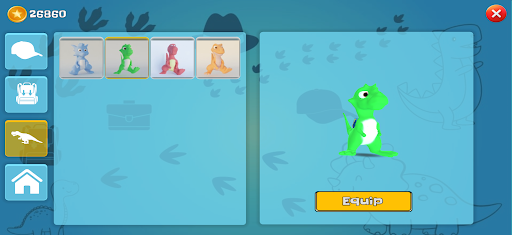
Gamification involves applying game-like elements—such as points, levels, badges, and challenges—into non-game environments like classrooms.
When done well, gamification can:
- Increase student motivation
- Encourage persistence through challenges
- Provide immediate feedback
- Make abstract concepts more approachable
In computer science and AI education especially, gamification shines. Students can build, test, and iterate in interactive environments that feel more like play than work.
What Do We Mean by “Rigor”?
Rigor is often misunderstood as simply “harder work,” but true rigor is about:
- Depth of understanding
- Critical thinking and problem-solving
- Application of knowledge in new contexts
- Productive struggle
Rigor ensures that students are not just completing tasks—they are learning in ways that stick.
The Myth: Gamification Reduces Rigor
A common misconception is that gamification “waters down” learning. In reality, poorly designed gamification does.
If students are simply clicking through tasks to earn points without thinking deeply, then yes—rigor is lost.
But strong gamification actually:
- Encourages repeated attempts (iteration = deeper learning)
- Builds resilience through failure
- Creates structured progression toward mastery
The issue is not gamification itself—it’s how it’s implemented.
The Sweet Spot: Engagement + Depth
The most effective learning environments blend both elements:
1. Purposeful Game Mechanics
Game elements should support learning objectives, not distract from them.
For example:
- Levels tied to skill mastery
- Badges earned through demonstrated competency
- Challenges that require application, not guessing
2. Built-In Cognitive Demand
Every activity—gamified or not—should require students to:
- Analyze
- Create
- Problem-solve
- Reflect
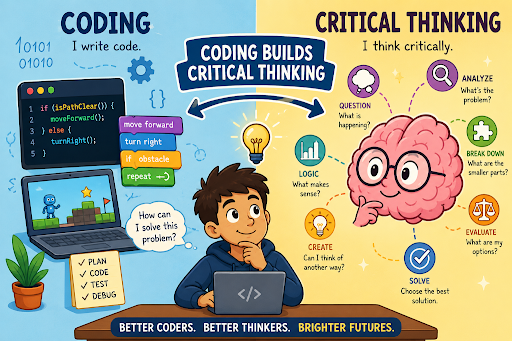
A coding “game” that requires debugging, logic, and iteration is far more rigorous than a worksheet.
3. Progression That Requires Mastery
Advancement should not be automatic. Students should move forward only when they’ve demonstrated understanding.
This mirrors both:
- Real-world skill development
- Certification pathways (like Python, AWS, or cybersecurity credentials)
4. Feedback That Drives Growth
Gamified systems excel at instant feedback—but it must be meaningful.
Instead of:
“Correct! +10 points”
Aim for:
“Your logic worked, but can you optimize it for efficiency?”
Why This Balance Matters More Than Ever
As technology continues to shape education, students are:
- More digitally engaged than ever
- Less responsive to passive learning
- In need of future-ready skills like critical thinking and adaptability
Gamification meets students where they are.
Rigor prepares them for where they’re going.
You need both.
What This Looks Like in Practice
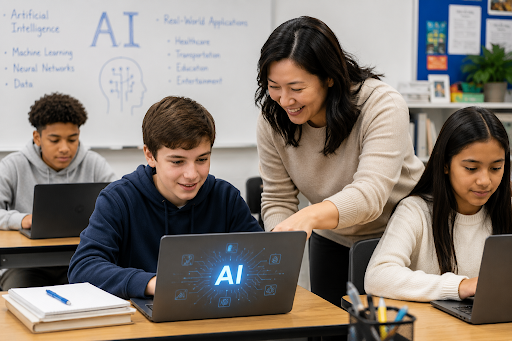
In a strong computer science or AI classroom:
- A student might complete a gamified coding challenge
- That challenge requires them to debug errors and refine logic
- They receive instant feedback and iterate
- They ultimately demonstrate mastery through a real-world project
This is not “easy learning.”
It is engaging, rigorous, and meaningful learning.
Final Thoughts
Gamification and rigor are not opposites—they are partners.
When thoughtfully combined, they create learning experiences that are:
- Engaging without being shallow
- Challenging without being discouraging
- Fun without losing purpose
The future of education does not lie in choosing between engagement and rigor.
It lies in designing systems that demand both.