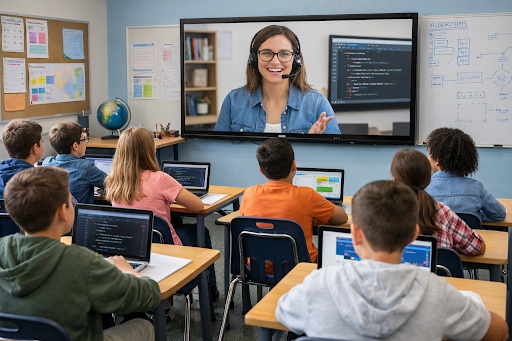
The Role of Virtual Classes in Expanding Access to K–12 Computer Science
Computer science is no longer a “nice to have” in K–12 education. It is a foundational skill set that shapes how students think, solve problems, and participate in a technology-driven world. Yet for many schools, providing consistent, high-quality computer science instruction remains a challenge. Staffing shortages, limited budgets, scheduling constraints, and geographic barriers often prevent students from accessing these opportunities.
Virtual classes are helping to change that.
When designed intentionally, virtual computer science instruction is not a compromise. It is a powerful access multiplier that allows schools to reach more students, offer more pathways, and do so with flexibility and equity at the forefront.
The Access Gap in K–12 Computer Science
Despite growing awareness of the importance of computer science, access remains uneven. Many schools struggle with:
- A lack of certified or experienced computer science teachers
- Inconsistent course offerings across grade levels
- Rural or geographically isolated locations with limited staffing pools
- Scheduling conflicts within the traditional school day
- Budget constraints that make specialized hires difficult
As a result, computer science is often offered only to a small subset of students, as an elective, or not at all.
Virtual learning helps remove these structural barriers.
How Virtual Classes Expand Access
1. Removing Geographic Limitations
Virtual classes allow schools to tap into qualified instructors regardless of location. This is especially impactful for rural schools, small districts, and international programs where local talent may be limited. Students gain access to expert instruction without the need for relocation, travel, or additional facilities.
2. Solving the Teacher Shortage Problem
Computer science teachers are in high demand nationwide. Virtual instruction enables schools to offer courses even when they cannot hire a full-time, in-house specialist. Schools can also supplement existing staff by pairing virtual instructors with on-site facilitators, creating a sustainable and scalable model.
3. Flexible Scheduling Models
Virtual computer science courses can be offered:
- During the school day
- As part of after-school programming
- In summer sessions
- In short, skill-focused modules or full-semester courses
This flexibility allows schools to meet students where they are and design programs that fit their unique schedules and needs.
4. Expanding Course Variety and Pathways
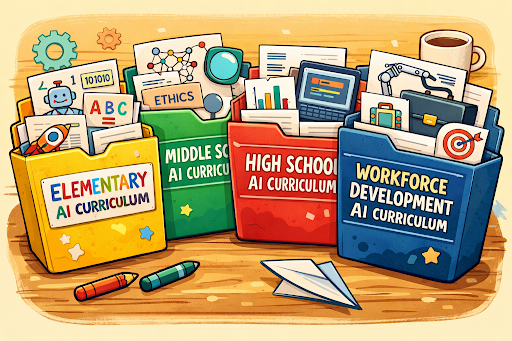
Virtual delivery makes it easier to offer a broader range of courses across grade levels, including:
- Introductory coding for elementary students
- Game development and web design in middle school
- Programming languages, AI, and cybersecurity at the high school level
Instead of limiting offerings to one or two courses, schools can build clear, progressive computer science pathways that grow with students.
Equity and Inclusion Through Virtual Learning
When thoughtfully designed, virtual classes can actively support equity rather than hinder it.
High-quality virtual programs include:
- Scaffolded instruction for beginners
- Differentiated pacing and supports
- Built-in accessibility tools
- Inclusive curriculum design that reflects diverse learners and experiences
For students who may not otherwise have access to advanced coursework, virtual classes can be a gateway rather than a barrier.
Virtual Does Not Mean Isolated
One common misconception is that virtual learning lacks connection. In reality, strong virtual computer science programs emphasize:
- Live instruction and interaction
- Collaborative projects and peer discussion
- Real-time feedback from instructors
- Hands-on, project-based learning
When paired with intentional facilitation and strong curriculum design, virtual classrooms can be engaging, social, and deeply interactive.
A Scalable Model for the Future
As schools continue to navigate staffing challenges and evolving student needs, virtual instruction offers a scalable, future-ready solution. It allows districts to pilot programs, expand successful offerings, and adapt quickly without sacrificing quality.
Most importantly, it ensures that access to computer science is not determined by zip code, staffing limitations, or budget size.
Looking Ahead
Virtual classes are not replacing in-person learning. They are complementing it and extending its reach. In K–12 computer science education, virtual instruction plays a critical role in closing access gaps, building sustainable programs, and preparing students for a digital future.
When access expands, opportunity follows. And when opportunity follows, students thrive.
Rex K-12’s Commitment to Virtual Instruction
At Rex K-12, we are proud to offer high-quality virtual computer science instruction led by experienced, student-centered educators. Our virtual teachers work closely with schools to deliver engaging, standards-aligned courses across grade levels while providing the flexibility and support today’s learning environments require.
If you’re interested in learning more about how Rex K-12’s virtual teaching model can support your students and expand access to computer science, we invite you to connect with our team. Learn more and request a demo at https://www.rexk12.com/rex-demo/.