Cyber Hygiene for K–12 Students
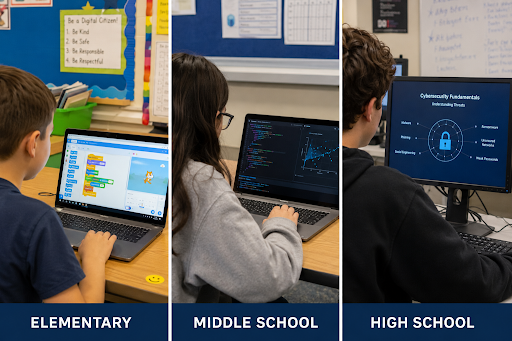
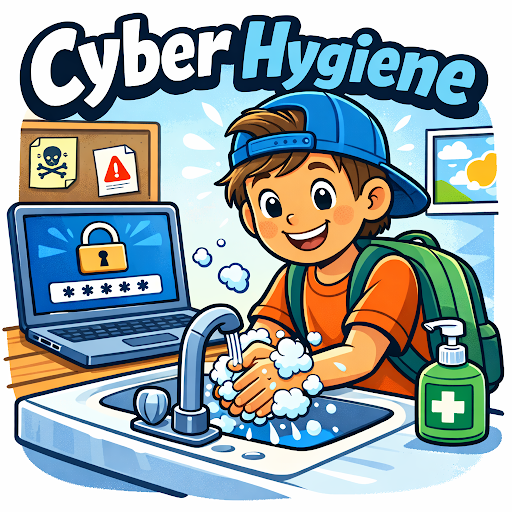
In today’s digital-first world, students are logging into platforms, collaborating online, and exploring new technologies earlier than ever before. While this access creates incredible learning opportunities, it also comes with responsibility. Just like we teach students to wash their hands to stay healthy, we must teach them cyber hygiene to stay safe online.
Cyber hygiene refers to the habits and practices that keep devices, data, and personal information secure. For K–12 students, building these habits early is essential—not just for school, but for life.
What Is Cyber Hygiene?
Cyber hygiene is a set of routine practices that help protect digital environments from threats like hacking, phishing, and data breaches. For students, it includes everything from creating strong passwords to recognizing suspicious links.
Think of it as digital safety habits—simple, consistent actions that prevent bigger problems down the road.
Why Cyber Hygiene Matters for Students
Students today are:
- Using school-issued devices
- Accessing online learning platforms
- Communicating through email and messaging tools
- Creating and sharing digital content
Without proper guidance, they can unintentionally expose personal information or fall victim to cyber threats.
Teaching cyber hygiene helps students:
- Protect their personal identity
- Avoid scams and harmful content
- Build responsible digital citizenship
- Prepare for future academic and career environments
Core Cyber Hygiene Habits Every Student Should Learn
1. Create Strong, Unique Passwords
Encourage students to use passwords that are:
- At least 12 characters long
- A mix of letters, numbers, and symbols
- Different for each account
A helpful tip is using passphrases—easy-to-remember sentences like: “BlueDino$JumpsHigh2026!”
2. Keep Personal Information Private
Students should understand what information is sensitive, including:
- Full name
- Address
- School name
- Phone number
- Passwords
Teach them: If you wouldn’t share it with a stranger in person, don’t share it online.
3. Recognize Phishing and Scams
Phishing attempts often look like:
- Emails asking for login information
- Messages with urgent language (“Act now!”)
- Links that don’t match the sender
Students should always:
- Double-check the sender
- Avoid clicking suspicious links
- Ask a teacher or adult if unsure
4. Practice Safe Browsing
Safe browsing includes:
- Visiting trusted websites
- Avoiding downloads from unknown sources
- Looking for “https” in web addresses
Younger students especially benefit from guided browsing environments and clear boundaries.
5. Keep Devices and Software Updated
Updates aren’t just about new features—they fix security vulnerabilities.
Students should:
- Install updates regularly
- Restart devices when prompted
- Avoid ignoring update notifications
6. Log Out of Shared Devices
Whether in a classroom or library, students should always:
- Log out of accounts after use
- Avoid saving passwords on shared computers
This simple habit prevents unauthorized access.
7. Be Kind and Responsible Online
Cyber hygiene isn’t just technical—it’s behavioral.
Students should:
- Think before posting
- Avoid sharing harmful or inappropriate content
- Report bullying or suspicious behavior
Digital footprints are permanent, and online actions matter.
How Schools and Parents Can Support Cyber Hygiene
Building strong cyber habits requires consistency across environments.
For Schools:
- Integrate cybersecurity lessons into the curriculum
- Use real-world examples and simulations
- Reinforce expectations during device use
For Parents:
- Have open conversations about online safety
- Set clear boundaries for device usage
- Model good cyber hygiene at home
When students hear the same message at school and home, the impact is much stronger.
Making Cyber Hygiene Engaging for Students
Cybersecurity doesn’t have to feel intimidating or boring. In fact, it’s most effective when it’s interactive and relevant.
Consider:
- Gamified learning experiences
- Real-world scenarios and challenges
- Hands-on activities like identifying phishing emails
- Discussions about real cyber incidents (age-appropriate)
When students understand the why behind cyber hygiene, they are more likely to adopt these habits.
Preparing Students for a Digital Future
Cyber hygiene is no longer optional—it’s a foundational life skill. Whether students pursue careers in technology or not, they will live and work in a digital world.
By teaching these habits early, we empower students to:
- Navigate technology confidently
- Protect themselves and others
- Build a strong foundation for future learning
Final Thoughts
Cyber hygiene for K–12 students is about more than preventing problems—it’s about building awareness, responsibility, and confidence in a connected world.
The earlier we start, the stronger these habits become.
And just like brushing teeth or washing hands, good cyber hygiene should be practiced every day.