
How High Schools Can Create CS Pathways That Actually Lead Somewhere
Computer science pathways are everywhere right now. Schools are launching coding classes, adding AI units, and promoting “future-ready” learning. But here’s the honest problem: many of these pathways don’t actually lead anywhere.
Students take a class or two, maybe enjoy it, maybe don’t—but then what? No clear next step. No connection to real careers. No sense of momentum.
If high schools want their computer science (CS) programs to truly matter, they need to shift from offering isolated courses to building intentional, outcome-driven pathways.
Let’s talk about how to do that.
1. Start With the End in Mind
Too many CS programs are built backwards: “What classes can we offer?” instead of “Where should students end up?”
A strong pathway begins with a clear destination:
- Industry certifications (e.g., cybersecurity, cloud, IT fundamentals)
- College credit or AP-level mastery
- A portfolio of real-world projects
- Internship or workforce readiness
When you define the end goal first, every course becomes a stepping stone—not a standalone experience.
Ask yourself: What should a student be able to do after completing your pathway?
2. Build a Logical, Skill-Based Progression
A pathway should feel like a journey, not a random selection of electives.
Instead of this:
- Intro to Coding → Web Design → Cybersecurity (no connection)
Design something like this:
- Foundations (digital literacy, basic logic, keyboarding)
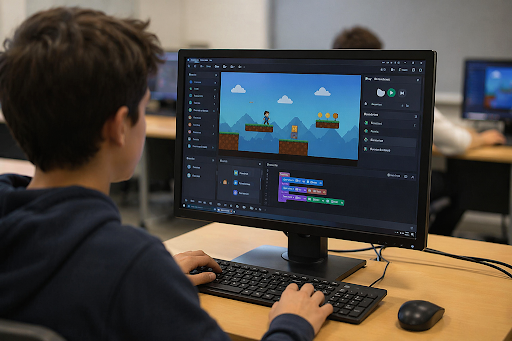
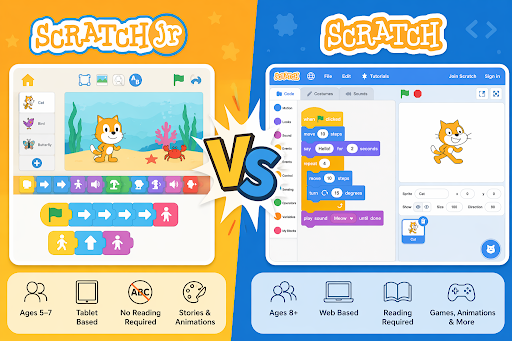
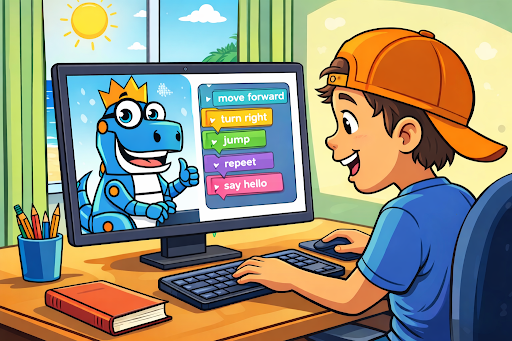
- Exploration (block-based coding, simple game design)
- Development (Python, web development, app creation)
- Specialization (AI, cybersecurity, cloud computing)
Each step should:
- Reinforce previous skills
- Introduce new complexity
- Clearly prepare students for the next level
Students should feel their growth—and understand where they’re headed.
3. Offer Multiple Entry Points
Not every student discovers computer science in 9th grade.
Some jump in late. Some transfer schools. Some are advanced and ready to skip ahead.
A strong pathway is flexible:
- Beginner-friendly entry courses at multiple grade levels
- Opportunities to test out or accelerate
- Support for students with no prior experience
If your pathway only works for one type of student, it’s not a pathway—it’s a track with barriers.
4. Align Courses to Real Skills, Not Just Standards
Standards matter—but they shouldn’t be the finish line.
Students (and parents) care about outcomes like:
- “Can I build a website?”
- “Can I create a game?”
- “Can I pass a certification exam?”
- “Can I get a job or internship with this?”
Design courses that produce tangible results:
- Published websites
- Functional apps or games
- Cybersecurity simulations
- AI projects with real-world relevance
This is what makes a pathway feel meaningful—and marketable.
5. Integrate Industry Certifications (Strategically)
Certifications can be powerful—but only when used correctly.
Instead of dropping a certification course randomly into the pathway:
- Align it with prior coursework
- Provide structured preparation
- Ensure students have enough time and support
Examples:
- IT Fundamentals after introductory courses
- AWS Cloud Practitioner after networking basics
- Cybersecurity certifications after hands-on security labs
Certifications should feel like a culmination, not a surprise.
6. Don’t Ignore the Teacher Factor
Even the best-designed pathway will fail without proper support.
Many schools struggle with:
- Lack of certified CS teachers
- Teachers teaching outside their content area
- Limited time for training
To make pathways work, schools need:
- Strong teacher guides and curriculum support
- Ongoing professional development
- Flexible staffing models (including virtual or hybrid instruction)
A pathway is only as strong as the people delivering it.
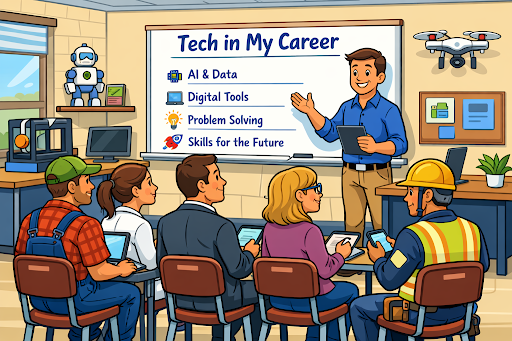
7. Connect Learning to Real Careers
Students disengage when they don’t see the relevance.
Bring the real world into your pathway:
- Guest speakers from tech fields
- Career exploration activities
- Real-world problem-solving projects
- Exposure to different roles (not just “programmer”)
Help students see that computer science isn’t one job—it’s a gateway to many.
8. Measure What Actually Matters
If you’re only measuring enrollment, you’re missing the bigger picture.
Track outcomes like:
- Course completion rates
- Student progression through the pathway
- Certification attempts and pass rates
- Student confidence and interest in tech careers
- Post-graduation plans (college, workforce, certifications)
This data tells you whether your pathway is truly working—or just existing.
9. Keep It Flexible and Evolving
Technology changes fast. Your pathway should too.
Build systems that allow for:
- Course updates and new offerings
- Integration of emerging topics (AI, cybersecurity, etc.)
- Feedback from students and teachers
- Adjustments based on industry trends
A “set it and forget it” pathway will quickly become outdated.
Final Thoughts: A Pathway Should Go Somewhere
A real CS pathway does more than fill a schedule—it builds confidence, skills, and direction.
Students should leave your program with:
- A clear understanding of their interests
- Practical, demonstrable skills
- A next step they’re excited about
If your pathway can do that, it’s not just a program—it’s an opportunity that can change a student’s future.
And that’s the goal.