Why Every Career Is Becoming a Tech Career
Not long ago, careers in technology were seen as a specialized path—something reserved for software developers, IT professionals, or engineers. Today, that reality has completely shifted.
Technology is no longer a separate field. It is the foundation of nearly every industry, every role, and every future career path.
From healthcare to agriculture, marketing to manufacturing, technology is transforming how we work—and redefining what it means to be “career-ready.”
Technology Is Embedded in Every Industry
Walk into almost any workplace today, and you’ll see technology at the center of operations.
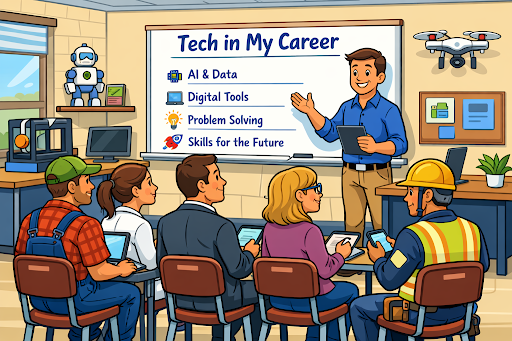
- Doctors use AI tools to assist with diagnoses
- Farmers rely on data analytics and automated machinery
- Marketing teams leverage algorithms to reach the right audience
- Construction companies use drones and 3D modeling software
Even traditionally “non-technical” careers now require some level of digital fluency.
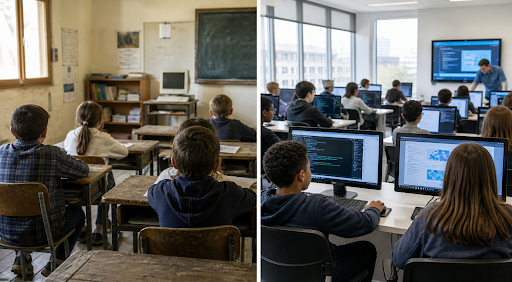
This shift means students don’t just need exposure to technology—they need confidence using it.
The Rise of AI and Automation
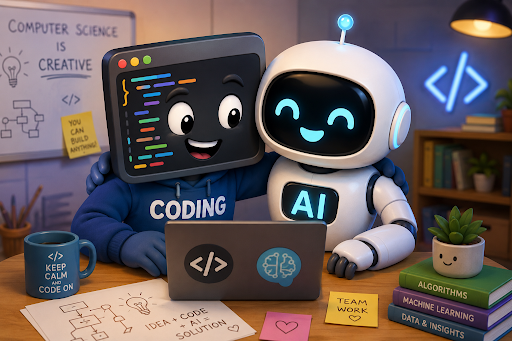
The rapid growth of artificial intelligence has accelerated this transformation.
AI is not replacing all jobs—but it is changing how jobs are done.
Employees are now expected to:
- Work alongside AI tools
- Interpret data and insights
- Make informed decisions using technology
- Adapt quickly to new platforms and systems
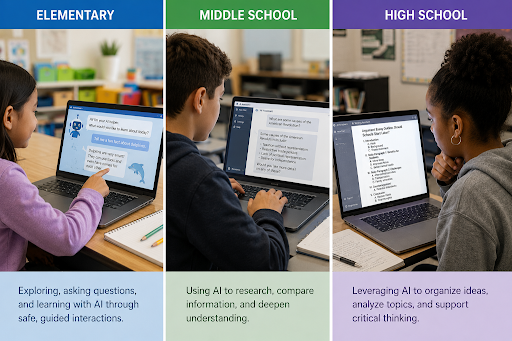
Whether a student becomes a teacher, entrepreneur, designer, or healthcare professional, they will interact with AI in some capacity.
Understanding how it works—and how to use it responsibly—is becoming a foundational skill.
Problem-Solving Is the New Core Skill
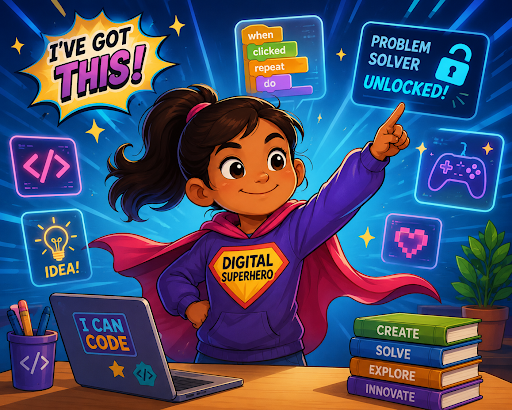
At its core, technology education is not just about coding—it’s about thinking.
Students learn how to:
- Break down complex problems
- Think logically and systematically
- Test solutions and iterate
- Build confidence in tackling challenges
These skills apply everywhere.
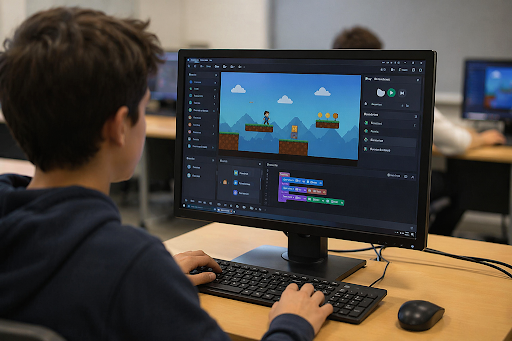
A student designing a game in a coding class is building the same problem-solving mindset they’ll use in business, medicine, or engineering.
Digital Literacy Is No Longer Optional
Basic digital skills are now expected in almost every job.
This includes:
- Navigating online platforms
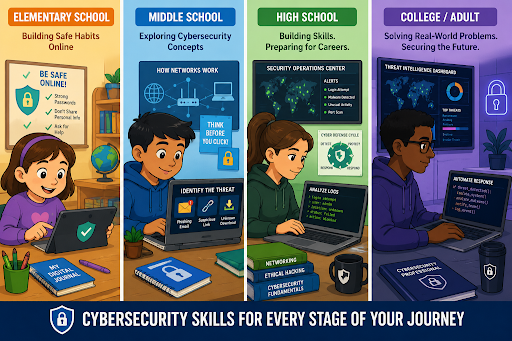
- Understanding cybersecurity and digital safety
- Communicating effectively in digital environments
- Evaluating information critically
Without these skills, students risk being unprepared for both higher education and the workforce.
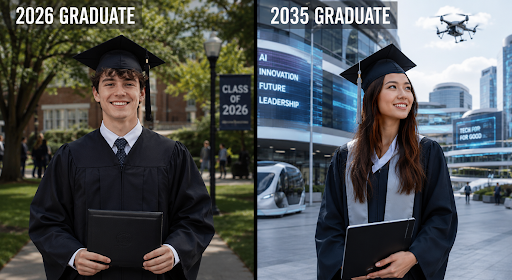
Preparing Students for a Tech-Driven Future
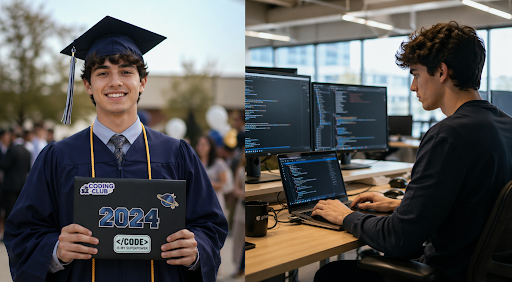
The goal is not to turn every student into a programmer.
The goal is to ensure every student is prepared.
When students are introduced to computer science, AI, and digital tools early, they:
- Build confidence with technology
- Discover new interests and career pathways
- Develop skills that transfer across all industries
- Gain a competitive edge in a rapidly evolving world
The Bottom Line
Every career is becoming a tech career—not because every job requires coding, but because every job now relies on technology in some form.
Students who understand how to navigate, use, and think with technology will be better prepared for whatever path they choose.
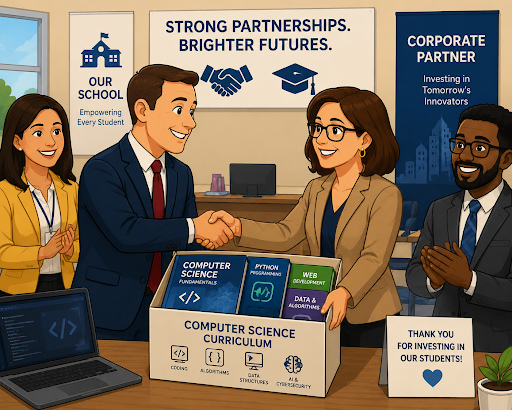
At Rex K-12, we believe access to computer science education is not just an advantage—it’s a necessity. By equipping students with these skills early, we are helping them build a future where they are not just consumers of technology, but confident creators within it.