The Rise of Entry-Level Tech Roles Without a 4-Year Degree
For decades, a four-year college degree was considered the primary gateway into the technology industry. While traditional degrees still hold value, the landscape of the tech workforce is rapidly changing. Today, many entry-level technology roles prioritize skills, certifications, and practical experience over formal degrees. This shift is creating new opportunities for students, career changers, and educators to rethink how they prepare for the future of work.
Why the Tech Industry Is Shifting Away From Degree Requirements
The demand for technology professionals continues to grow faster than the supply of qualified workers. According to workforce trends across industries, companies are struggling to fill roles in areas such as cybersecurity, cloud computing, data analysis, and software development.
In response, many employers have begun focusing on demonstrated skills rather than academic credentials. Several major tech companies have already removed degree requirements for many entry-level positions, recognizing that capable candidates can develop technical skills through alternative pathways.
This shift reflects a broader understanding: technology evolves faster than traditional education models can keep up with. Certifications, bootcamps, hands-on training programs, and industry-aligned courses often adapt more quickly to emerging tools and practices.
Examples of Entry-Level Tech Roles That Don’t Require a Four-Year Degree
Many technology careers now offer accessible entry points through certifications, short-term training, or portfolio-based learning. Some common examples include:
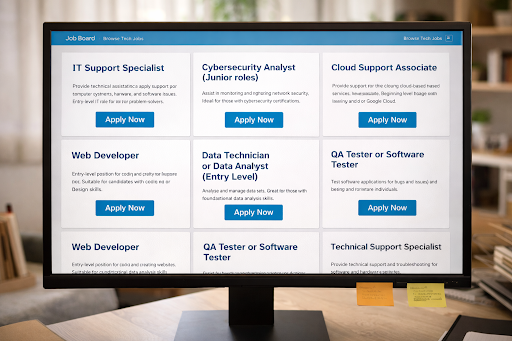
- IT Support Specialist
- Cybersecurity Analyst (Junior roles)
- Cloud Support Associate
- Web Developer
- Data Technician or Data Analyst (Entry Level)
- QA Tester or Software Tester
- Technical Support Specialist
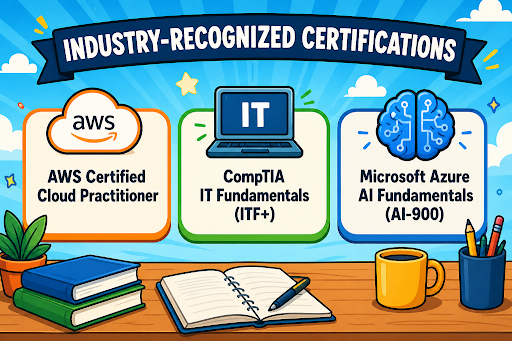
Many of these positions value certifications such as CompTIA ITF+, CompTIA A+, AWS Cloud Practitioner, or industry-recognized programming certifications, which demonstrate practical competency rather than academic coursework.
Certifications Are Becoming a New Credential
Industry certifications have become one of the most important alternatives to traditional degrees. Unlike college programs that may take four years to complete, certification pathways often allow learners to develop job-ready skills in months instead of years.
Certifications also offer several advantages:
- They are aligned directly with industry technologies
- They focus on hands-on, practical skills
- They are regularly updated as technology evolves
- They are recognized by employers worldwide
For many learners, certifications act as a stepping stone into the workforce, allowing them to start in entry-level roles and continue advancing their skills over time.
Why This Matters for K–12 Education
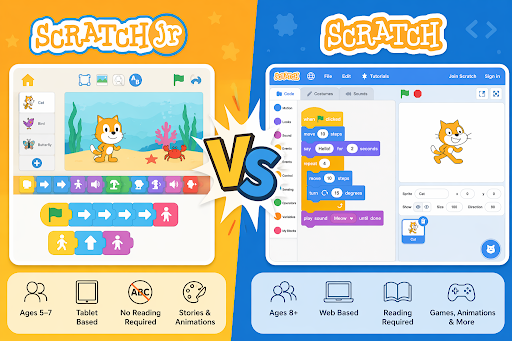
The shift toward skills-based hiring has important implications for K–12 education. Schools are increasingly recognizing the value of introducing students to computer science, AI, cybersecurity, and programming before they graduate.
By exposing students to these fields early, schools can help learners:
- Discover technology career pathways sooner
- Build foundational digital literacy skills
- Develop problem-solving and critical thinking abilities
- Prepare for certification opportunities after graduation
Students who graduate with technical skills and industry-aligned certifications may enter the workforce faster, pursue higher education more strategically, or combine both approaches.
Building Workforce Readiness Earlier
Preparing students for modern careers means expanding the definition of career readiness. In addition to traditional academics, students benefit from opportunities to build:
- Technical skills
- Project-based portfolios
- Industry certifications
- Real-world problem-solving experience
Technology education programs that combine hands-on learning, certification alignment, and modern digital skills can help students bridge the gap between school and employment.
A New Era of Opportunity
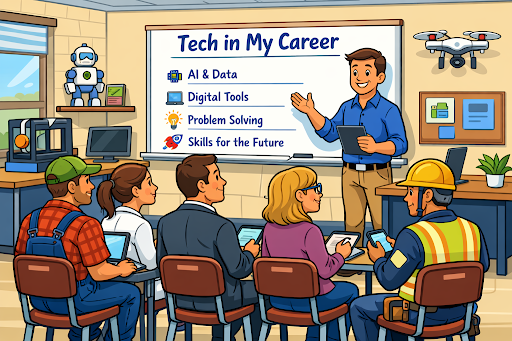
The rise of entry-level tech roles without strict degree requirements is reshaping the future of work. While college will remain a valuable path for many learners, it is no longer the only route into meaningful technology careers.
For students, educators, and schools, this shift represents an important opportunity. By prioritizing skill development, digital literacy, and workforce-aligned learning, education systems can empower the next generation to enter a rapidly evolving technology landscape with confidence.
As the tech industry continues to evolve, one thing is becoming clear: what you can do is becoming just as important as where you went to school.