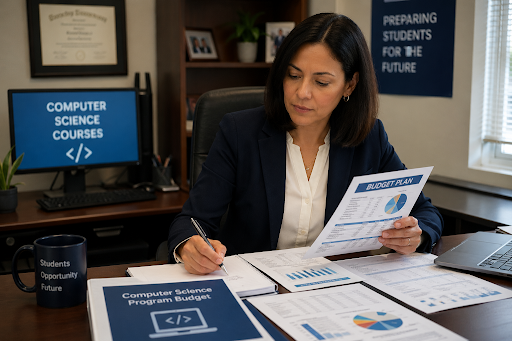
Budgeting for Sustainable CS Programs
Computer science programs are no longer a “nice to have.” They are foundational to preparing students for the modern workforce. Yet many schools launch CS initiatives only to see them stall due to inconsistent funding, lack of staffing, or unclear long-term planning. Sustainability is the difference between a short-lived pilot and a program that transforms student outcomes year after year.
If you want your CS program to last, budgeting needs to be intentional, strategic, and aligned with long-term goals. Here’s how to approach it.
Start With the End in Mind
Before diving into numbers, define what success looks like.
- Are you offering introductory exposure or full career pathways?
- Will courses be integrated into the school day, after school, or both?
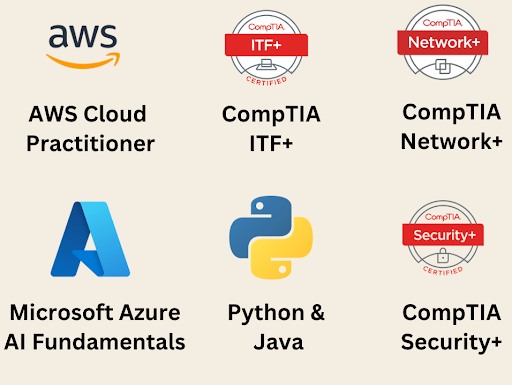
- Are you preparing students for certifications or general tech literacy?
A sustainable program is built on clarity. Without it, budgets become reactive instead of strategic.
Understand the True Cost of a CS Program
Many schools underestimate what it takes to run a high-quality computer science program. It’s more than just software licenses.
1. Curriculum and Platform Access
A strong curriculum provides structure, pacing, and alignment to standards. Look for options that include:
- Teacher guides
- Student-facing materials
- Built-in assessments
- Ongoing updates as technology evolves
Free resources can be helpful, but they often lack cohesion and long-term support.
2. Instructional Support
One of the biggest barriers to CS implementation is staffing.
You have three main options:
- Train existing teachers
- Hire certified CS educators
- Partner with an external provider for virtual or in-person instruction
Each comes with different cost implications, but cutting corners here often leads to low program quality or burnout.
3. Professional Development
Even the best curriculum falls flat without confident teachers.
Budget for:
- Initial onboarding and training
- Ongoing professional development
- Just-in-time support when challenges arise
This ensures consistency and quality across classrooms.
4. Technology and Infrastructure
CS programs rely on reliable technology.
Consider:
- Device availability and upgrades
- Internet bandwidth
- Platform integrations (like rostering systems)
- IT support
Hidden costs here can quickly derail a program if not accounted for upfront.
5. Implementation and Support
Launching a CS program takes time and coordination.
This often includes:
- Program setup and configuration
- Scheduling and rostering
- Communication with stakeholders
- Ongoing troubleshooting
A well-supported implementation reduces friction and increases adoption.
Plan for Scalability, Not Just Year One
A common mistake is budgeting only for the initial launch.
Instead, think about:
- How will costs change as student enrollment grows?
- Can your staffing model scale?
- Will your curriculum still meet needs as students advance?
Sustainable programs are designed to expand without requiring a complete rebuild each year.
Leverage Multiple Funding Sources
You don’t have to fund everything from a single budget.
Explore:
- Federal and state grants
- CTE funding
- ESSER or similar recovery funds (when available)
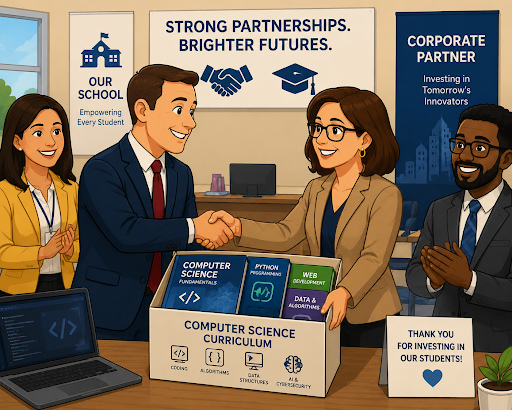
- Local partnerships and sponsorships
- Parent-paid or profit-share models for after-school programs
Diversifying funding streams reduces risk and increases program longevity.
Measure ROI Beyond Dollars
Sustainability isn’t just about balancing a budget. It’s about demonstrating value.
Track:
- Student enrollment and retention
- Course completion rates
- Certification attainment
- Student engagement and feedback
- Pathways into advanced courses or careers
When you can clearly show impact, it becomes much easier to secure continued funding.
Avoid the “Free Resource Trap”
It’s tempting to rely entirely on free tools and platforms. While they can supplement learning, they rarely provide the structure needed for a scalable program.
Common challenges include:
- Lack of alignment across grade levels
- Inconsistent student experience
- Minimal teacher support
- Limited accountability or progress tracking
Investing upfront in a cohesive solution often saves time, money, and frustration in the long run.
Build a Program That Lasts
Sustainable CS programs don’t happen by accident. They are the result of thoughtful planning, realistic budgeting, and a commitment to long-term success.
When done right, the payoff is significant:
- Students gain real-world, future-ready skills
- Teachers feel confident and supported
- Schools build programs that grow year after year
The goal isn’t just to start a computer science program. It’s to build one that thrives.
If you’re planning for next school year and want to explore a sustainable approach to CS implementation, it may be worth evaluating solutions that combine curriculum, teacher support, and flexible delivery models. The right structure can make all the difference between a program that launches and one that lasts. See what Rex could do for you here: https://www.rexk12.com/rex-demo/.