Building a Tech Talent Pipeline From K–12 to Career
Technology is reshaping nearly every industry, yet employers across the country continue to face one major challenge: finding qualified talent. At the same time, many students graduate without a clear understanding of the technology careers available to them or the skills needed to pursue those opportunities.
The solution isn’t simply offering more technology classes in high school. It’s creating a connected learning pathway that introduces students to technology early, builds skills over time, and prepares them for college, certifications, apprenticeships, or the workforce.
A strong tech talent pipeline begins long before a student’s first job interview.
What Is a Tech Talent Pipeline?
A tech talent pipeline is a structured pathway that helps learners progress from foundational technology skills to career-ready competencies. Rather than isolated courses or one-time experiences, students build knowledge year after year while gaining confidence and discovering their interests.
An effective pipeline helps students answer questions like:
- What careers exist in technology?
- Which skills do I need?
- What should I learn next?
- How do I gain real-world experience?
When schools intentionally answer those questions throughout a student’s education, more learners graduate prepared to succeed.
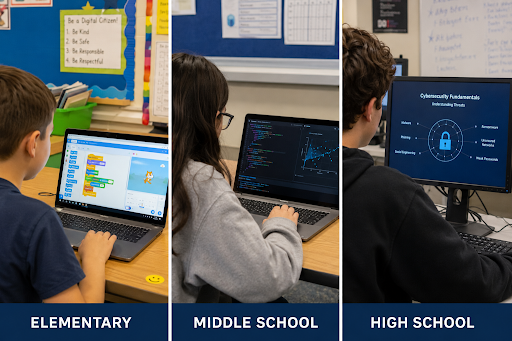
Start Early: Elementary School
Technology education doesn’t begin with programming languages.
Elementary students should focus on developing computational thinking, creativity, collaboration, and digital citizenship. Activities like block-based coding, robotics, and problem-solving challenges help students understand how technology works while making learning engaging and fun.
At this stage, the goal is exposure and confidence, not mastery.
Students who experience positive technology learning early are more likely to pursue advanced opportunities later.
Build Skills in Middle School
Middle school is the ideal time to expand students’ understanding of technology.
Learners can begin exploring topics such as:
- Programming fundamentals
- Web design
- Game development
- Cybersecurity awareness
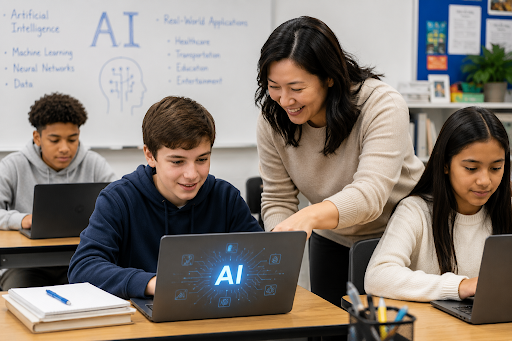
- Artificial intelligence basics
- Digital creativity and design
Equally important is exposing students to the wide variety of careers available in technology. Many students still believe technology careers only involve programming, when today’s workforce includes roles in cybersecurity, cloud computing, UX design, data analytics, AI, networking, technical support, project management, and much more.
Helping students connect classroom learning to real careers increases motivation and engagement.
Prepare Students for Industry in High School
High school provides the opportunity to move from exploration to specialization.
Students can begin developing career-ready skills through:
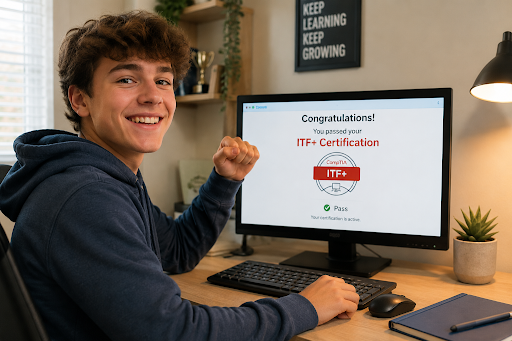
- Industry-recognized certifications
- Career and Technical Education (CTE) pathways
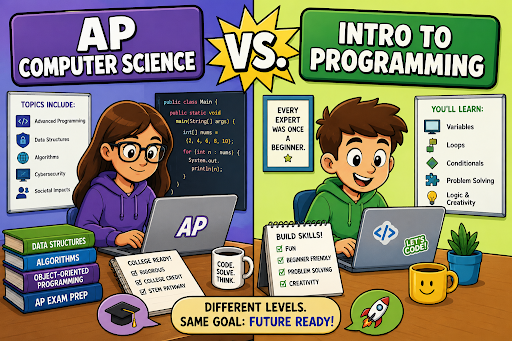
- Advanced programming courses
- AI and cybersecurity coursework
- Cloud computing
- Portfolio-building projects
- Work-based learning experiences
- Internships and apprenticeships
Hands-on, project-based learning allows students to solve authentic problems while demonstrating the skills employers value most.
Graduates leave with more than knowledge. They leave with evidence of what they can do.
Workforce Development Doesn’t Stop at Graduation
Not every learner follows the same path after high school.
Some attend college.
Others pursue technical schools, apprenticeships, military service, certifications, or enter the workforce directly.
A strong talent pipeline continues supporting learners beyond graduation by providing flexible opportunities for upskilling and reskilling throughout their careers.
Technology changes rapidly, making lifelong learning essential for long-term success.
The Importance of Industry Partnerships
Schools cannot build successful talent pipelines alone.
Partnerships with local businesses, workforce organizations, higher education institutions, and community organizations help ensure students learn skills that align with real workforce needs.
These partnerships can provide:
- Guest speakers
- Career exploration opportunities
- Mentorship
- Job shadowing
- Internships
- Certification support
- Curriculum feedback
- Equipment and technology resources
Students benefit from seeing firsthand how classroom learning connects to meaningful careers.
Human Skills Matter Just as Much
Technical skills open doors, but durable human skills help students thrive once they enter the workforce.
Today’s employers consistently prioritize qualities such as:
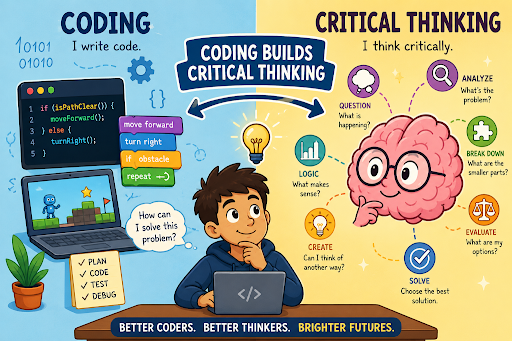
- Critical thinking
- Communication
- Collaboration
- Creativity
- Adaptability
- Ethical decision-making
- Problem solving
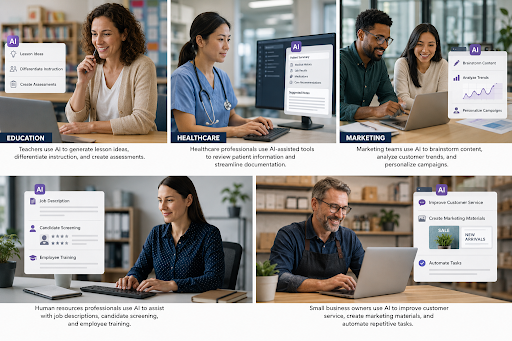
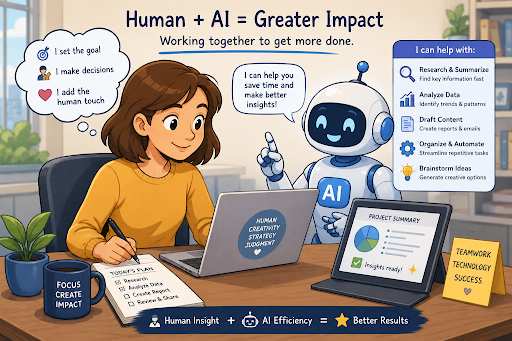
These skills become even more valuable as artificial intelligence automates routine tasks.
Technology education should intentionally develop both technical expertise and the human skills that cannot easily be replaced.
Creating a Continuous Pathway
Successful technology programs don’t exist as isolated courses.
Instead, they create a progression where each learning experience builds upon the last:
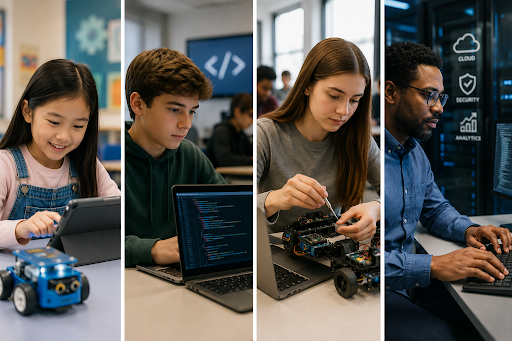
- Elementary: Digital literacy, computational thinking, creativity, and coding fundamentals
- Middle School: Programming, AI, cybersecurity, web development, and career exploration
- High School: Advanced technical courses, certifications, capstone projects, internships, and career pathways
- Postsecondary & Workforce: College, apprenticeships, industry certifications, and continuous professional learning
This approach helps students develop confidence while steadily preparing them for increasingly complex opportunities.
Looking Ahead
The demand for technology talent will continue to grow across nearly every industry. Schools that invest in comprehensive K–12 technology pathways aren’t simply teaching students how to use computers. They’re preparing future software developers, cybersecurity analysts, AI specialists, cloud engineers, digital designers, entrepreneurs, healthcare technologists, and countless other professionals who will drive innovation in the years ahead.
By building intentional, connected pathways from elementary school through career, educators can help close workforce gaps, strengthen local economies, and empower students with the skills needed to succeed in an increasingly technology-driven world.
The future workforce isn’t built overnight. It is built one student, one classroom, and one opportunity at a time.