Preparing Students for Tech Certifications Before Graduation
The technology workforce continues to grow rapidly, and employers increasingly value candidates who can demonstrate practical skills alongside traditional academic credentials. One of the most effective ways schools can help students prepare for these careers is by introducing industry-recognized technology certifications before graduation. When students leave high school with certifications already completed, they gain a powerful advantage—whether they plan to enter the workforce immediately or pursue higher education.
Preparing students for tech certifications during their K–12 experience helps bridge the gap between classroom learning and real-world skills. It provides clear learning goals, industry relevance, and measurable proof of student capability.
Why Tech Certifications Matter for Students
Technology certifications validate that a student has mastered specific technical skills that are recognized by employers and industry professionals. Certifications often focus on practical knowledge such as programming, cybersecurity, cloud computing, or IT fundamentals.
For students, these credentials provide several key benefits:
Career Readiness
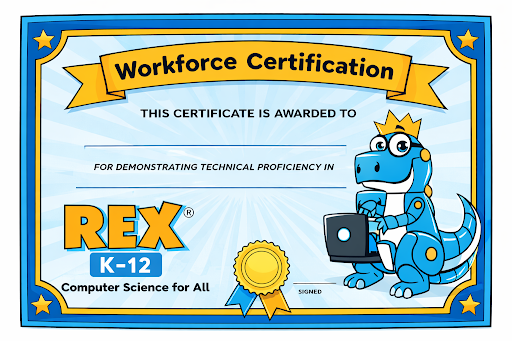
Certifications demonstrate that students possess job-ready technical skills. Employers often view certifications as proof that candidates can perform specific tasks or work with particular technologies.
College and Scholarship Advantages
Students with certifications can strengthen college applications and qualify for scholarships or advanced placement opportunities in technology programs.
Confidence and Motivation
Preparing for certification exams gives students a clear goal and tangible achievement. Passing an industry exam can significantly boost confidence and motivation to pursue further learning.
Early Exposure to High-Demand Careers
Certifications introduce students to fields such as cybersecurity, cloud computing, artificial intelligence, and software development—industries experiencing strong workforce demand.
Building Certification Pathways in Schools
Successful certification programs do not happen by accident. Schools need thoughtful planning and structured pathways to guide students toward certification readiness.
Start With Foundational Skills
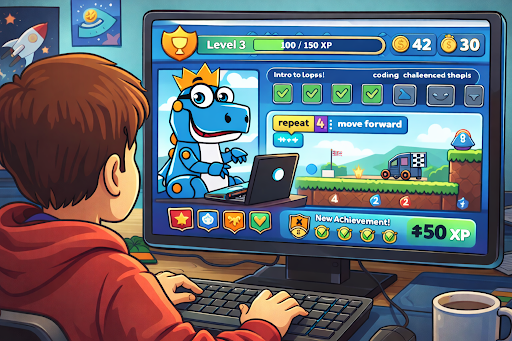
Before attempting advanced certifications, students need a strong foundation in digital literacy and computer science fundamentals. Early exposure to coding, computational thinking, and responsible technology use helps build the necessary groundwork.
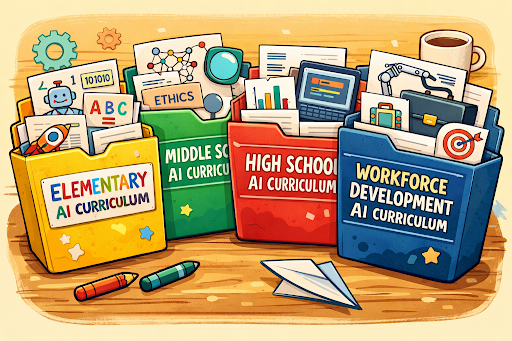
Elementary and middle school programs can introduce:
- Basic coding concepts
- Problem-solving and computational thinking
- Digital citizenship and technology literacy
These foundational skills prepare students for more advanced coursework later in high school.
Align Courses With Certification Objectives
High school courses should be intentionally designed to match the learning objectives of industry certification exams. This alignment ensures students are learning relevant skills that directly prepare them for the test.
For example, courses might align with certifications such as:
- IT Fundamentals certifications
- Cloud computing certifications
- Programming certifications
- Cybersecurity certifications
By mapping course objectives to certification standards, educators can ensure students are mastering the knowledge needed to succeed on certification exams.
Emphasize Hands-On Learning
Certification success depends heavily on applied skills. Students should regularly engage in hands-on activities that mirror real-world scenarios.
Effective classroom experiences may include:
- Building software applications
- Designing websites
- Simulating cybersecurity investigations
- Working with cloud platforms
- Collaborating on real-world technology projects
These experiences help students move beyond theory and gain practical skills that certification exams often measure.
Provide Structured Practice and Review
Certification exams can be rigorous, so structured preparation is essential. Practice assessments, guided review sessions, and exam simulations can help students build confidence before taking the official test.
Schools may incorporate:
- Practice exams
- Study guides aligned to certification objectives
- Project-based assessments
- Instructor-led review sessions
These supports ensure students feel prepared rather than overwhelmed when exam time arrives.
Supporting Teachers and Schools
For certification programs to succeed, educators must also be supported with the right resources and training. Teachers benefit from professional development opportunities that familiarize them with certification standards, exam expectations, and best practices for instruction.
Additionally, schools should provide access to platforms and learning tools that support structured certification preparation. Modern digital learning environments can help track student progress, deliver interactive activities, and ensure students stay engaged throughout the course.
Preparing Students for the Future Workforce
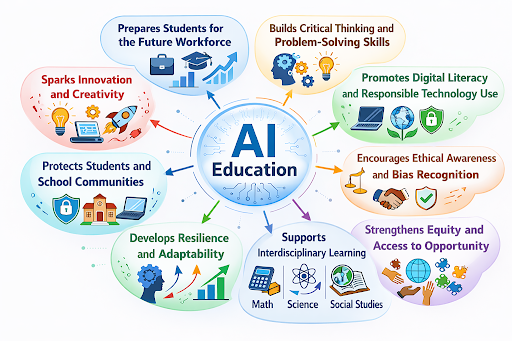
Technology is shaping nearly every career field—from healthcare and engineering to business and agriculture. By helping students earn industry-recognized certifications before graduation, schools empower them with valuable skills that extend far beyond the classroom.
Students who graduate with both academic knowledge and technical credentials enter the next phase of their lives with confidence, opportunity, and a clear pathway into the technology-driven workforce.
As technology continues to evolve, schools that integrate certification pathways into their computer science programs will play a critical role in preparing the next generation of innovators, problem-solvers, and digital leaders.