Upskilling the Workforce Through AI Education
The workforce is changing faster than ever—and at the center of that transformation is artificial intelligence. From automating repetitive tasks to enhancing decision-making, AI is no longer a futuristic concept. It’s a present-day reality reshaping industries across the board.
For businesses, educators, and professionals alike, the question is no longer if AI will impact work—but how prepared we are to adapt. Upskilling through AI education is quickly becoming one of the most critical investments organizations can make.
Why AI Upskilling Matters Now
AI is influencing nearly every sector, including healthcare, finance, manufacturing, marketing, and education. Tools powered by machine learning, natural language processing, and automation are streamlining workflows and redefining job roles.
But here’s the challenge: while technology is advancing rapidly, workforce readiness is lagging behind.
Upskilling helps bridge that gap by:
- Equipping employees with relevant, future-ready skills
- Increasing productivity and efficiency
- Boosting employee confidence and engagement
- Reducing the risk of job displacement
Organizations that prioritize AI education are not just keeping up—they’re gaining a competitive edge.
What Does AI Upskilling Look Like?
AI education doesn’t mean turning every employee into a data scientist. Instead, it’s about building practical, role-based understanding of AI tools and concepts.
Effective AI upskilling programs typically include:
- Foundational AI Literacy
Employees learn what AI is, how it works, and where it shows up in their daily tasks. This builds confidence and reduces fear around new technologies. - Tool-Based Learning
Hands-on experience with AI tools—like chatbots, automation platforms, and data analysis tools—helps employees immediately apply what they learn. - Industry-Specific Applications
Training is tailored to real-world use cases within specific roles or industries, making learning relevant and actionable. - Ethical and Responsible AI Use
Understanding data privacy, bias, and ethical considerations ensures AI is used responsibly and effectively.
The Business Impact of AI Education
Investing in AI education doesn’t just benefit employees—it directly impacts organizational success.
Increased Efficiency:
AI-trained employees can automate routine tasks, freeing up time for higher-value work.
Better Decision-Making:
With AI-powered insights, teams can make faster, data-driven decisions.
Innovation and Growth:
A workforce that understands AI is more likely to experiment, innovate, and identify new opportunities.
Talent Retention:
Employees are more likely to stay with companies that invest in their growth and future.
Overcoming Common Barriers
Despite its importance, many organizations hesitate to implement AI upskilling programs. Common concerns include cost, complexity, and time constraints.
Here’s how to overcome them:
- Start Small: Pilot programs or short courses can create immediate impact without overwhelming teams.
- Focus on Practical Skills: Prioritize tools and concepts employees can use right away.
- Leverage Flexible Learning Models: Online, self-paced, and hybrid options make training accessible.
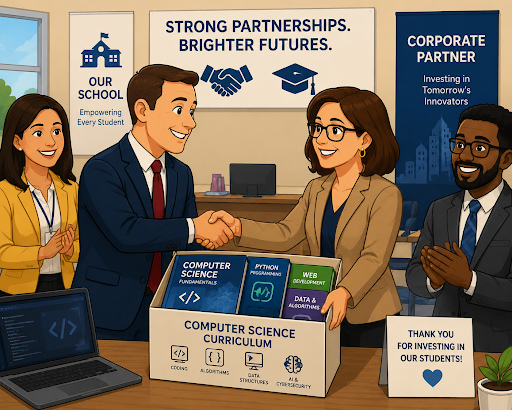
- Partner with Experts: Working with experienced education providers ensures quality and alignment with industry needs.
The Role of K–12 Education in Workforce Readiness
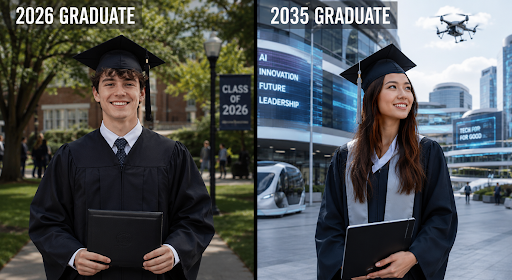
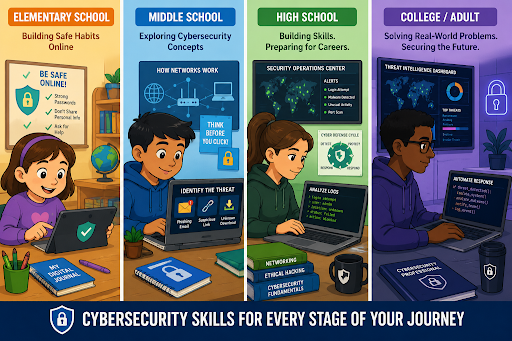
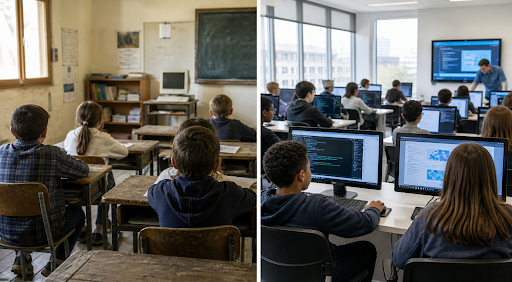
Workforce upskilling doesn’t start at the workplace—it starts in the classroom.
By introducing AI concepts early, K–12 education systems can:
- Build foundational digital literacy
- Spark interest in technology careers
- Prepare students for an AI-driven future
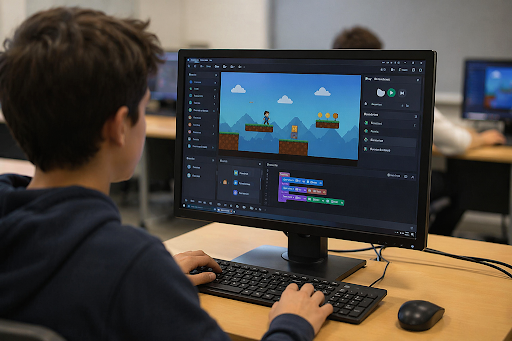
Programs that integrate AI, coding, and digital skills into everyday learning are essential for creating a pipeline of future-ready talent.
Looking Ahead
AI isn’t replacing the workforce—it’s reshaping it. The most successful individuals and organizations will be those who learn to work with AI, not against it.
Upskilling through AI education is no longer optional. It’s a strategic necessity.
Whether you’re a school preparing students, a company investing in employees, or an individual looking to stay competitive, one thing is clear:
The future belongs to those who are willing to learn, adapt, and grow alongside technology.
If you’re exploring ways to bring AI education into your organization or classroom, now is the time to start. The tools are here. The demand is growing. And the opportunity is too important to miss.