The Skills Students Will Need in 2035
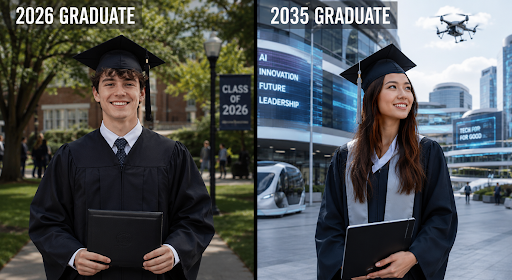
The world students graduate into in 2035 will look dramatically different from the classrooms many educators experienced growing up. Artificial intelligence, automation, cybersecurity, remote collaboration, and rapidly evolving technology are already reshaping the workforce. By 2035, these shifts will only accelerate.
This does not mean traditional education is no longer important. In fact, foundational skills will matter more than ever. However, schools, parents, and workforce development programs must begin preparing students for a future where adaptability, creativity, and digital fluency are essential for success.
The question is no longer if education needs to evolve. The question is whether we are preparing students quickly enough.
Digital Literacy Will Be Non-Negotiable
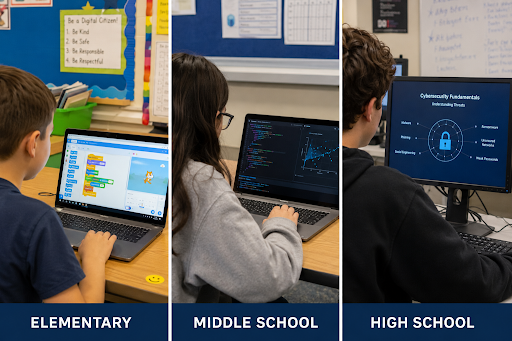
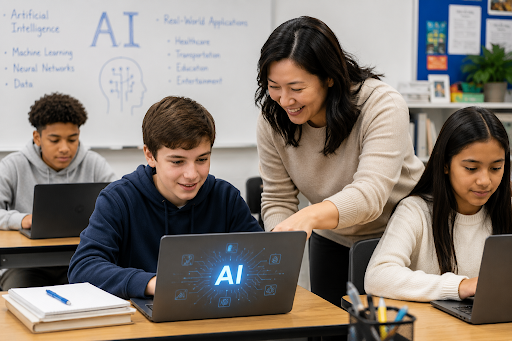
By 2035, digital literacy will extend far beyond basic computer use. Students will need to confidently navigate AI-powered systems, evaluate online information, protect digital identities, and understand how technology impacts daily life.
Future-ready students should be able to:
- Use AI tools responsibly and effectively
- Understand how data is collected and used
- Navigate digital platforms safely
- Troubleshoot technology independently
- Adapt to constantly changing software and tools
Digital literacy will become as fundamental as reading and writing. Students who lack these skills may struggle to compete in both college and career environments.
AI Collaboration Skills Will Matter More Than Memorization
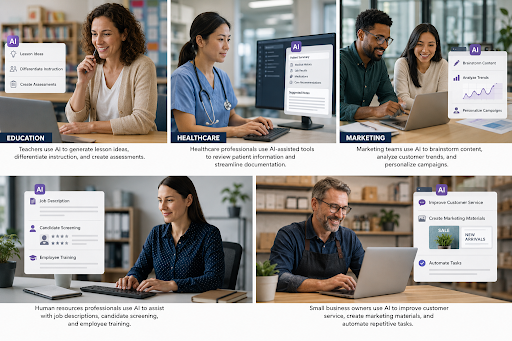
Artificial intelligence is not replacing the need for human workers. Instead, it is changing the nature of work itself.
In 2035, many careers will involve collaborating with AI systems rather than competing against them. Students will need to understand how to:
- Prompt AI tools effectively
- Verify AI-generated information
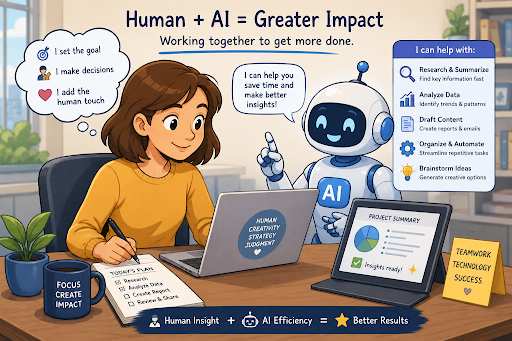
- Combine human creativity with AI efficiency
- Make ethical decisions involving technology
- Use AI to solve real-world problems
The future workforce will reward individuals who know how to guide technology strategically, not simply consume it passively.
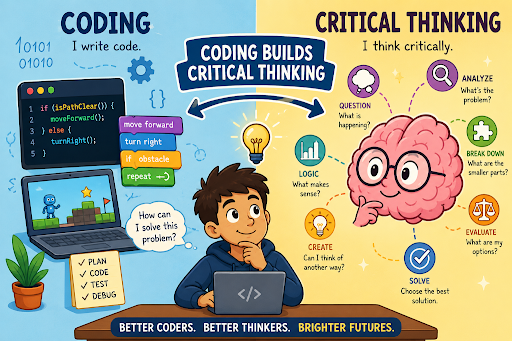
Problem Solving and Critical Thinking Will Become Premium Skills
As automation handles repetitive tasks, human value will increasingly come from complex thinking and decision-making.
Students entering the workforce in 2035 will need strong:
- Analytical thinking skills
- Decision-making abilities
- Research skills
- Creativity
- Innovation mindsets
Employers will continue looking for individuals who can evaluate situations, adapt quickly, and develop solutions to new challenges.
This is why project-based learning, hands-on technology experiences, and real-world application matter so much in modern classrooms.
Communication and Collaboration Will Remain Essential
Even in highly technical careers, human interaction will remain critical.
Students must learn how to:
- Communicate professionally online and in person
- Collaborate with diverse teams
- Present ideas clearly
- Work across time zones and digital environments
- Give and receive constructive feedback
Remote and hybrid work environments are likely to remain common in 2035. Strong communication skills will help students stand out in increasingly global workplaces.
Cybersecurity Awareness Will Be a Basic Workforce Skill
Cybersecurity is no longer just an IT issue. Every employee in every industry now plays a role in digital security.
By 2035, students will likely need foundational cybersecurity knowledge regardless of career path. Important concepts include:
- Password security
- Phishing awareness
- Data privacy
- Safe online behavior
- Responsible technology usage
As technology becomes more integrated into healthcare, finance, education, manufacturing, and agriculture, cybersecurity awareness will become essential across all sectors.
Adaptability Will Be One of the Most Valuable Career Skills
Perhaps the most important skill students will need in 2035 is adaptability.
Many of today’s students will work in careers that do not yet exist. Technology will continue evolving rapidly, meaning students must become lifelong learners capable of adjusting to new tools, industries, and expectations.
Schools that encourage curiosity, resilience, and continuous learning will help students build confidence for an unpredictable future.
Technical Skills Will Continue Expanding Across Industries
Computer science and technology skills are no longer limited to software developers.
Industries increasingly using technology include:
- Healthcare
- Agriculture
- Manufacturing
- Marketing
- Business operations
- Transportation
- Construction
- Education
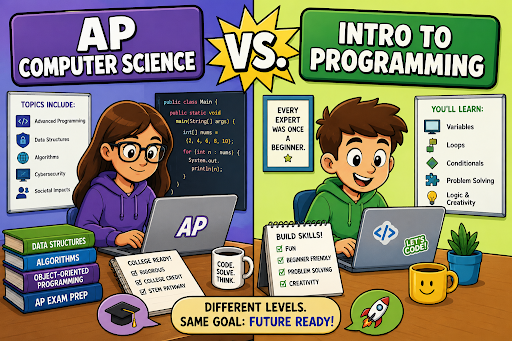
Students do not all need to become programmers, but exposure to coding, AI, cybersecurity, data analysis, and digital systems can help prepare them for a wide range of future opportunities.
The Importance of Human Skills Will Grow
Ironically, as technology becomes more advanced, uniquely human skills may become even more valuable.
Empathy, leadership, emotional intelligence, creativity, and ethical reasoning are difficult to automate. Students who can combine technical understanding with strong interpersonal skills will likely thrive in future careers.
Education in 2035 must balance both technology readiness and human development.
Preparing Students Starts Now
The future is not waiting for schools to catch up.
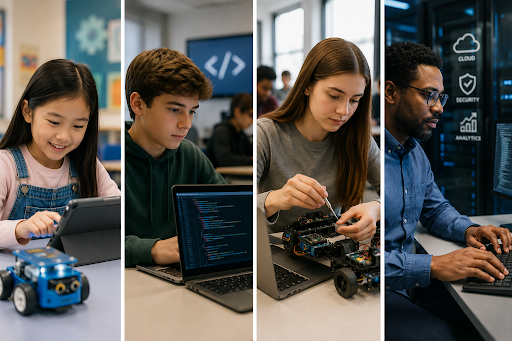
Students today need opportunities to explore technology, solve real problems, think critically, and build confidence using modern tools. Whether through computer science courses, AI education, cybersecurity pathways, project-based learning, or workforce development programs, exposure matters.
Preparing students for 2035 is not about predicting every future job title. It is about equipping students with adaptable skills that allow them to succeed no matter how technology evolves.
The students who thrive in 2035 will not simply be the ones who know the most facts. They will be the ones who can learn, adapt, collaborate, create, and responsibly use technology to solve meaningful problems.