
How AI Can Either Widen or Close Opportunity Gaps
Artificial Intelligence is rapidly becoming one of the most transformative technologies of our time. From personalized learning tools to automated hiring systems, AI is reshaping how people learn, work, and access opportunities. But like many powerful technologies before it, AI carries both promise and risk.
Depending on how it is implemented, AI can either widen existing opportunity gaps—or help close them.
For educators, policymakers, and technology leaders, the question is not whether AI will impact opportunity. It already is. The real question is how we ensure AI becomes a force for equity rather than inequality.
Understanding Opportunity Gaps in the Digital Age
Opportunity gaps refer to the unequal access to resources that allow individuals to succeed academically, professionally, and economically. Traditionally, these gaps have been influenced by factors such as:
- Socioeconomic status
- Geographic location
- Access to quality education
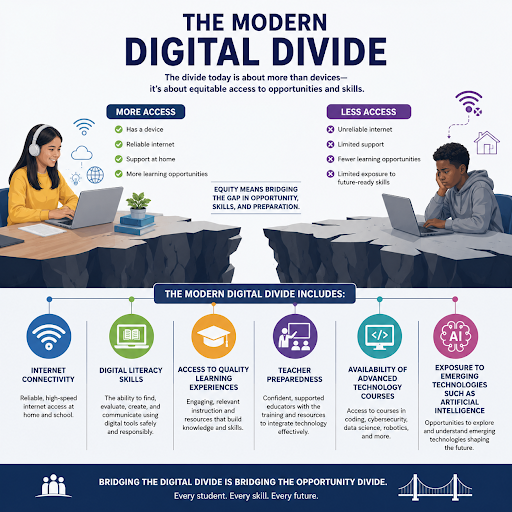
- Access to technology and internet connectivity
As AI becomes more integrated into education and the workforce, digital access and AI literacy are becoming new determinants of opportunity.
Students who learn how to use AI tools effectively may gain a significant advantage in future careers. Meanwhile, students without access to these tools—or without guidance on how to use them responsibly—risk falling further behind.
How AI Could Widen Opportunity Gaps
If AI adoption occurs unevenly, it could unintentionally deepen existing inequalities.
Unequal Access to AI Tools
Schools and organizations with strong funding may quickly adopt AI-powered learning platforms, personalized tutoring systems, and advanced technology programs. Under-resourced schools may struggle to keep pace, leaving some students with far fewer opportunities to develop AI skills.
This imbalance can create a digital divide in AI education, where only certain groups of students gain exposure to technologies that are shaping the future workforce.
Algorithmic Bias
AI systems learn from data, and when that data reflects existing societal biases, the resulting algorithms may reinforce those inequalities.
Examples of algorithmic bias have appeared in:
- Hiring tools
- Loan approval systems
- Predictive policing models
If these systems are not carefully designed and monitored, AI could unintentionally disadvantage certain populations.
Workforce Displacement Without Reskilling
AI-driven automation is already transforming industries. While new technology often creates new jobs, it can also eliminate others. Without accessible training and reskilling opportunities, workers in vulnerable industries may struggle to transition into new roles.
How AI Can Close Opportunity Gaps
Despite these challenges, AI also holds enormous potential to expand access to education and opportunity.
Personalized Learning at Scale
AI-powered learning platforms can adapt lessons to each student’s pace, strengths, and needs. This personalization can help students who might otherwise fall behind in traditional classroom settings.
Students who need additional practice can receive targeted support, while advanced learners can move ahead without waiting for the rest of the class.
Expanding Access to High-Quality Education
AI tools can help bring high-quality educational experiences to students regardless of location. Virtual classrooms, intelligent tutoring systems, and online platforms can connect students to teachers, mentors, and learning resources that may not exist locally.
This is particularly impactful for students in rural or underserved communities.
Supporting Teachers and Educators
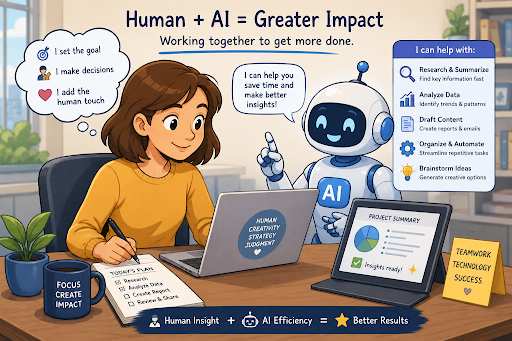
AI is not meant to replace teachers—it can empower them.
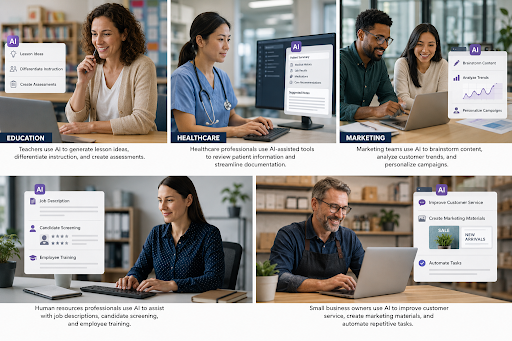
AI tools can assist educators by:
- Automating administrative tasks
- Providing insights into student progress
- Identifying learning gaps earlier
- Helping differentiate instruction
When used thoughtfully, AI can allow teachers to spend more time doing what they do best: building relationships and supporting student growth.
The Importance of AI Literacy
One of the most effective ways to prevent AI from widening opportunity gaps is to ensure students understand how to use it.
AI literacy goes beyond simply using AI tools. It includes understanding:
- How AI systems work
- Where bias can occur
- Ethical considerations in AI development
- Responsible use of AI-generated content
- How AI applies to real-world careers
When students learn these skills early, they are better prepared to participate in an AI-driven world—not just as users, but as creators and innovators.
The Role of Schools and Educational Programs
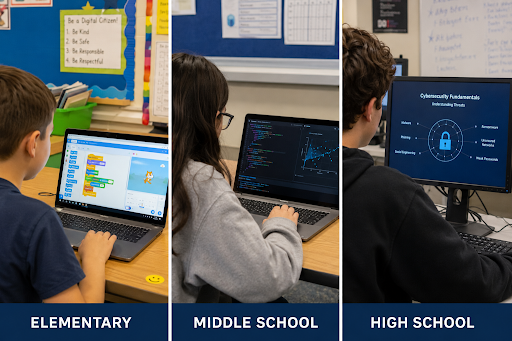
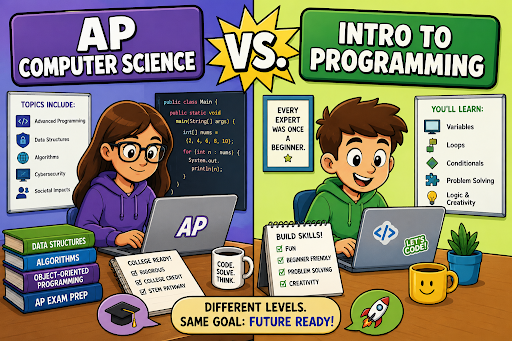
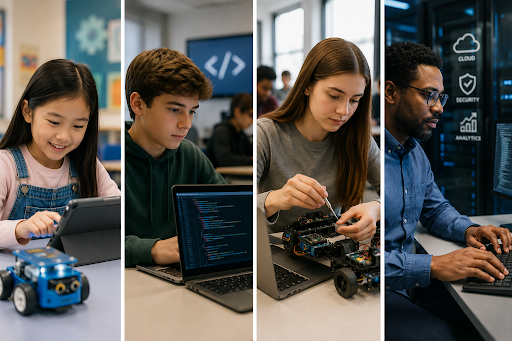
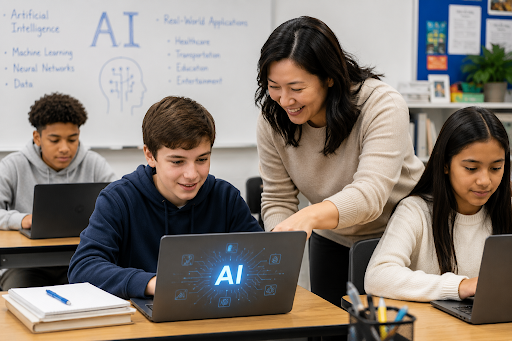
Schools play a critical role in determining whether AI becomes an equalizer or a divider. By introducing computer science, AI, and digital literacy early, educators can ensure that all students have the opportunity to develop the skills needed for future careers.
Programs that integrate AI education into K–12 learning environments help students:
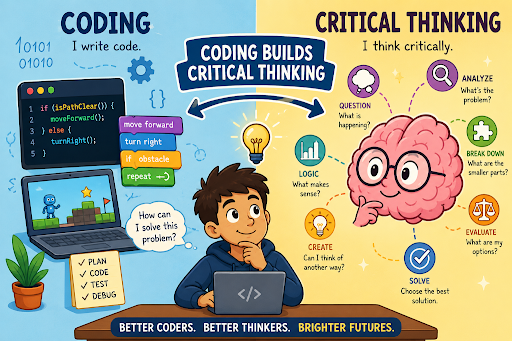
- Develop critical thinking skills
- Understand emerging technologies
- Build problem-solving abilities
- Explore high-demand career pathways
Providing equitable access to these experiences is key to ensuring that the benefits of AI are shared broadly.
A Future Shaped by Intentional Choices
AI itself is neither inherently equitable nor inequitable. Its impact depends on how we design, implement, and teach it.
If access to AI education and tools remains limited to a select group, opportunity gaps may widen. But if schools, organizations, and communities intentionally expand access to AI learning opportunities, this technology could become one of the most powerful tools for closing opportunity gaps in history.
The future of AI—and the opportunities it creates—will ultimately be shaped by the choices we make today.