Building a K–12 Computer Science Scope & Sequence
Many schools want to expand computer science offerings but struggle with one important question:
Where do we start?
Too often, computer science courses are added one at a time based on teacher interest, grant funding, or available curriculum. While this gets programs off the ground, it can also leave students with gaps in knowledge or repeated concepts year after year.
A well-designed K–12 computer science scope and sequence provides a roadmap that ensures students build skills progressively from elementary school through graduation.
What Is a Computer Science Scope & Sequence?
A scope and sequence outlines:
- What students learn at each grade level
- When concepts are introduced
- How skills build over time
- Which courses prepare students for more advanced opportunities
Rather than viewing computer science as a single high school elective, a scope and sequence treats it as a long-term learning pathway similar to mathematics or science.
Students develop foundational skills early before progressing into increasingly complex topics.
Start With Foundational Digital Skills
Elementary school is the ideal time to introduce computational thinking.
Young learners don’t need to begin by writing complex code. Instead, they benefit from experiences that develop logical thinking, creativity, and problem solving through age-appropriate activities.
Early concepts might include:
- Sequencing and algorithms
- Pattern recognition
- Debugging
- Basic programming with block-based languages
- Digital citizenship
- Internet safety
Students gain confidence while learning that computers are tools they can create with rather than simply consume.
Build Programming Skills in Middle School
Middle school provides an excellent transition into more structured computer science concepts.
Students can begin exploring:
- Event-driven programming
- Variables
- Loops
- Conditionals
- Game design
- Animation
- Data collection and visualization
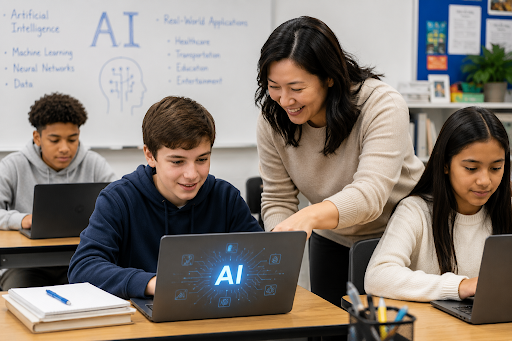
- Artificial intelligence fundamentals
This stage is often where students discover a passion for technology that carries into high school coursework and future careers.
Expand Career Pathways in High School
High school students should have opportunities to specialize based on their interests and career goals.
Potential course offerings include:
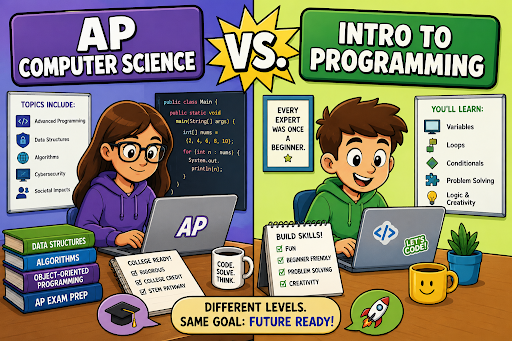
- Introduction to Programming
- Web Design
- Python Programming
- Java Programming
- AP Computer Science
- Cybersecurity
- Artificial Intelligence
- Industry Certification preparation
- Software Development projects
Offering multiple pathways allows students to explore technology careers while developing practical, workforce-ready skills.
Avoid Common Scope & Sequence Mistakes
When building a K–12 program, schools often encounter a few common challenges.
Repeating the Same Content
If every grade teaches basic coding activities without increasing complexity, students quickly become disengaged.
Each course should introduce new concepts while reinforcing previous learning.
Waiting Until High School
Introducing computer science for the first time in ninth or tenth grade limits student participation.
Students who have never experienced coding may feel intimidated, while those who have prior experience may become bored.
Beginning earlier creates a stronger foundation for everyone.
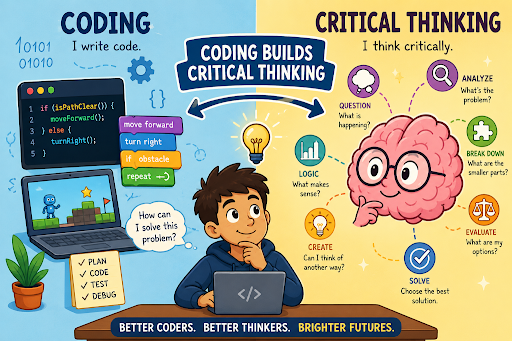
Focusing Only on Coding
Computer science is much broader than programming.
A balanced sequence should also include:
- Computational thinking
- Problem solving
- Cybersecurity
- Artificial intelligence
- Digital citizenship
- Data literacy
- Ethics in technology
- Collaboration and communication
These skills are increasingly valuable across nearly every career field.
Align Courses With Student Growth
Students learn differently at every age.
An effective scope and sequence matches instruction to developmental readiness.
For example:
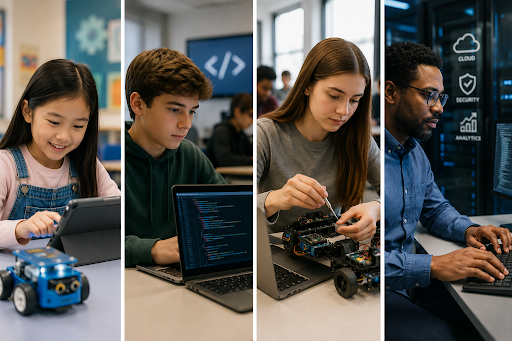
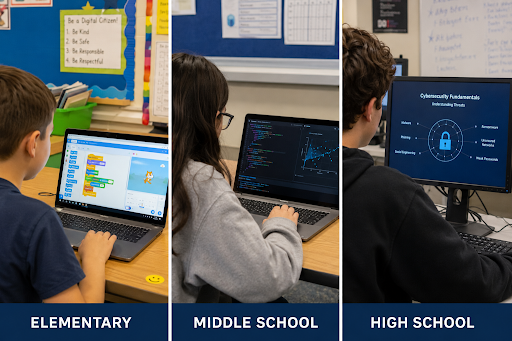
Elementary School
- Exploration
- Creativity
- Simple problem solving
- Visual programming
Middle School
- Logical thinking
- Project-based learning
- Collaboration
- Introduction to multiple technology fields
High School
- Career exploration
- Specialized technical skills
- Certifications
- Capstone projects
- College and workforce preparation
Each stage builds naturally upon the one before it.
Flexibility Matters
No two districts have identical staffing, scheduling, or funding.
A successful scope and sequence should be flexible enough to support:
- Standalone electives
- Required technology courses
- CTE pathways
- After-school programs
- Summer learning
- Virtual instruction
- Self-paced learning
- Teacher-led classrooms
Schools can start small while still creating a long-term vision for future expansion.
Preparing Students for a Technology-Driven Future
Technology continues to reshape nearly every industry, making computer science education more important than ever.
By intentionally designing a K–12 scope and sequence, schools move beyond offering isolated courses and instead create a comprehensive learning journey. Students graduate with stronger problem-solving abilities, greater confidence using technology, and valuable skills that prepare them for college, careers, and lifelong learning.
The goal isn’t simply to teach students how to code. It’s to equip them with the knowledge, creativity, and computational thinking they’ll use no matter where their future takes them.
Looking to build or expand your K–12 computer science pathway? Rex K-12 offers flexible computer science and artificial intelligence courses for elementary, middle, high school, and workforce development programs. Whether you’re starting with foundational coding or developing advanced pathways in cybersecurity, programming, or AI, our curriculum is designed to help schools create a cohesive scope and sequence that grows with their students. Learn more here.