
How AI Is Reshaping College Admissions
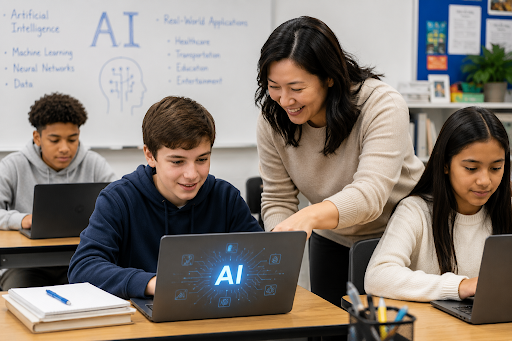
Artificial intelligence is transforming nearly every industry, and higher education is no exception. From personalized recruitment campaigns to application review processes, colleges and universities are increasingly turning to AI-powered tools to help manage growing applicant pools and improve decision-making.
For students preparing for college, understanding how AI is influencing admissions can help them navigate the process more effectively and make stronger choices about how they present themselves.
Why Colleges Are Turning to AI
Over the past decade, the number of college applications submitted by students has grown dramatically. Many institutions now receive tens of thousands of applications each year, making it difficult for admissions teams to review every application in depth.
AI tools can help admissions offices:
- Organize and sort applications
- Identify missing materials
- Analyze enrollment trends
- Predict student success and retention
- Personalize communication with prospective students
- Streamline administrative tasks
Importantly, AI is not replacing admissions counselors. Instead, it is helping them manage large volumes of information more efficiently so they can focus on evaluating applicants and supporting students.
AI-Powered Recruitment
One of the most visible ways colleges use AI is during student recruitment.
Universities collect data about student interests, academic performance, geographic location, and engagement with college websites or events. AI systems analyze this information to identify students who may be a good fit for specific programs.
As a result, students may receive:
- More personalized emails
- Customized campus visit invitations
- Program recommendations based on interests
- Scholarship opportunities that align with their profiles
This allows colleges to connect students with opportunities that match their goals while helping institutions reach applicants who may not have considered their programs otherwise.
Application Screening and Review
Some colleges use AI tools to assist with the initial review of applications. These systems can quickly identify key information such as:
- GPA and academic performance
- Course rigor
- Test scores (when applicable)
- Extracurricular involvement
- Application completeness
AI can flag applications for further review, helping admissions teams prioritize their time. However, most colleges still rely heavily on human decision-makers when evaluating applicants, particularly for competitive programs.
Admissions officers understand that students are more than a collection of data points. Personal essays, recommendation letters, leadership experiences, and unique life circumstances continue to play an important role in admissions decisions.
The Rise of AI and College Essays
Perhaps the biggest recent development in admissions is the growing availability of generative AI tools.
Students now have access to AI systems that can:
- Brainstorm essay topics
- Improve grammar and clarity
- Suggest stronger wording
- Help organize ideas
While these tools can be useful, colleges are becoming increasingly aware of AI-generated content. Many institutions encourage students to use AI responsibly as a support tool rather than allowing it to write essays entirely.
Admissions officers want to hear a student’s authentic voice, experiences, and perspectives. An essay that sounds generic or overly polished may raise concerns about how much of the work was actually completed by the student.
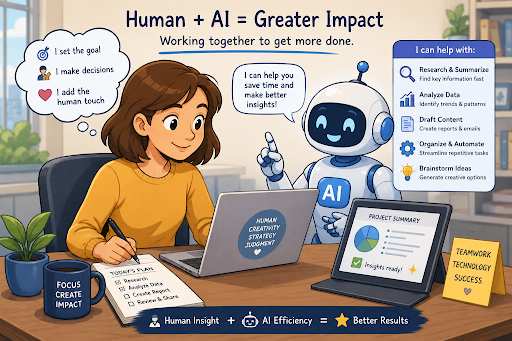
The strongest applications use AI as a tool for revision and feedback, not as a substitute for original thinking.
Predicting Student Success
Another emerging use of AI is predictive analytics.
Colleges can analyze historical data to identify patterns associated with student success, persistence, and graduation rates. This information may help institutions:
- Improve admissions decisions
- Offer targeted student support services
- Identify students who may need additional resources
- Increase retention and graduation rates
When used responsibly, these insights can help colleges better serve students after they enroll.
Ethical Concerns and Challenges
Despite its benefits, AI in admissions raises important questions.
Bias in Algorithms
AI systems learn from historical data. If that data contains bias, the system may unintentionally reinforce existing inequalities.
For example, algorithms trained on past admissions decisions could favor applicants who resemble previously admitted students, potentially disadvantaging underrepresented groups.
Because of this risk, colleges must regularly evaluate and monitor AI systems to ensure fairness and transparency.
Privacy Considerations
AI tools often rely on large amounts of student data. Institutions must carefully protect applicant information and ensure compliance with privacy regulations.
Students and families should also be aware of how their information is collected and used throughout the admissions process.
Transparency
Many students are unaware that AI may be involved in certain aspects of recruitment or application management. As AI adoption increases, colleges will likely face growing pressure to explain how these systems influence admissions decisions.
What Students Should Do
The increasing use of AI in admissions does not change the fundamentals of a strong college application.
Students should continue to:
- Challenge themselves academically
- Participate in meaningful extracurricular activities
- Demonstrate leadership and initiative
- Write authentic essays
- Build strong relationships with teachers and mentors
- Research colleges that align with their goals
AI may help colleges process information more efficiently, but human admissions professionals still want to understand who applicants are as individuals.
Looking Ahead
Artificial intelligence is likely to become an even larger part of the college admissions landscape in the coming years. As technology continues to evolve, colleges will balance the efficiency of AI with the need for human judgment, fairness, and personal connection.
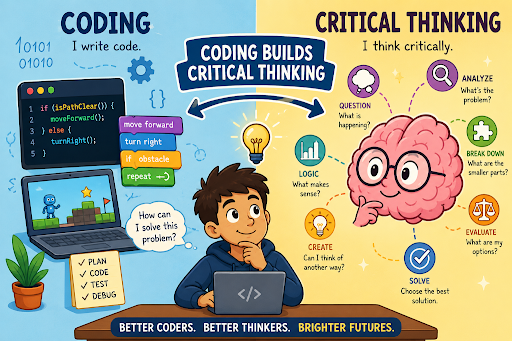
For students, the key takeaway is simple: technology may change how applications are reviewed, but authenticity, effort, and critical thinking remain as valuable as ever.
The future of college admissions may be powered by AI, but it will still be shaped by people.