Addressing the Digital Divide Beyond Devices: Expanding Equity and Access in Education
When conversations about educational equity arise, the focus often centers on devices. Do students have laptops? Do they have tablets? Are classrooms equipped with the latest technology?
While access to devices remains important, the reality is that the digital divide extends far beyond hardware. True digital equity is not simply about putting a computer in a student’s hands. It is about ensuring every learner has the opportunity, support, and resources needed to fully participate in today’s increasingly digital world.
As schools continue integrating technology, artificial intelligence, and computer science into learning, educators must broaden their understanding of what equity and access really mean.
The Digital Divide Has Evolved
A decade ago, many schools were focused primarily on providing devices and internet access. Today, those challenges still exist for some communities, but the conversation has become more complex.
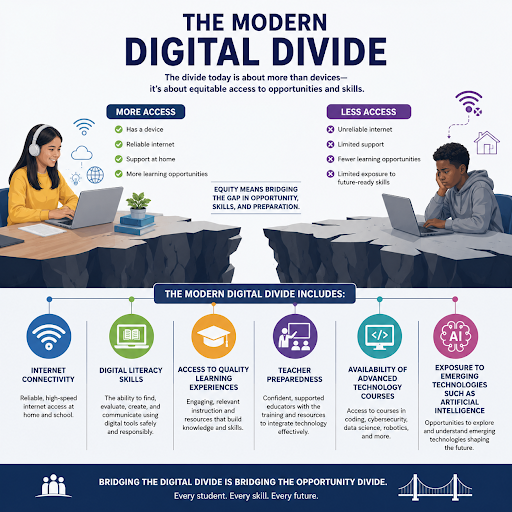
Consider two students:
- Student A has a school-issued laptop, reliable internet, and parents who can help troubleshoot technology issues.
- Student B has a school-issued laptop but unreliable internet, limited technology support at home, and little exposure to digital learning opportunities outside of school.
On paper, both students have device access. In reality, their opportunities for success may be very different.
The modern digital divide includes factors such as:
- Internet connectivity
- Digital literacy skills
- Access to quality learning experiences
- Teacher preparedness
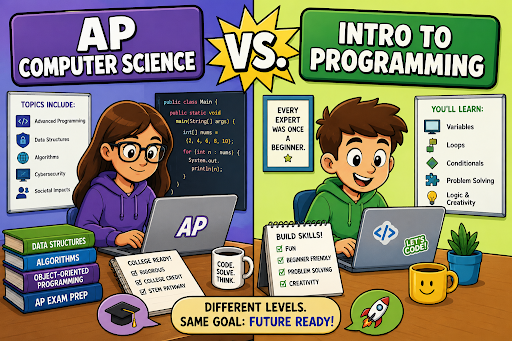
- Availability of advanced technology courses
- Exposure to emerging technologies such as artificial intelligence
Addressing these gaps requires a more comprehensive approach to educational equity.
Access Must Include Opportunity
One of the most overlooked aspects of digital equity is access to opportunity.
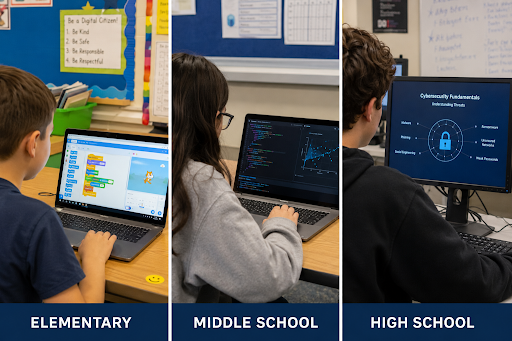
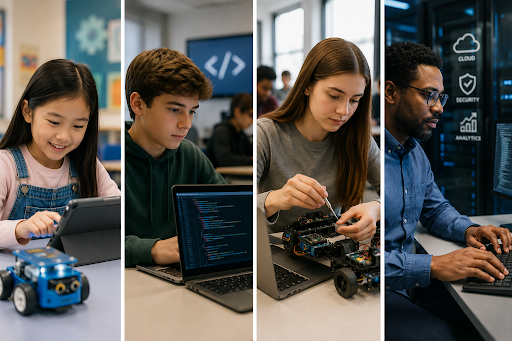
Students in some schools have opportunities to explore coding, cybersecurity, robotics, and artificial intelligence beginning in elementary school. Others may not encounter these subjects until college, if at all.
This opportunity gap can have lasting consequences.
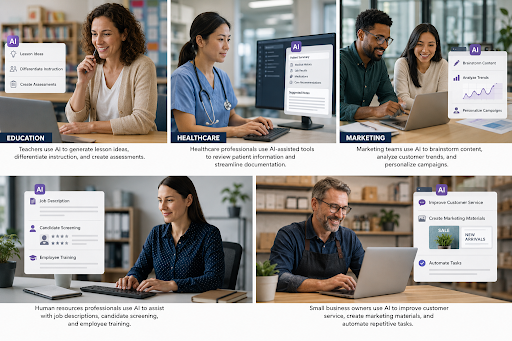
Many careers now require some level of technological fluency, regardless of industry. Healthcare, manufacturing, finance, agriculture, marketing, and countless other fields increasingly rely on digital tools and AI-powered systems.
When students lack access to meaningful technology education, they may unknowingly miss pathways to future careers.
Equity means ensuring that every student, regardless of zip code, background, or school funding level, can explore these opportunities before making decisions about their future.
Digital Literacy Matters as Much as Technology
Providing technology without teaching students how to use it effectively can create a new form of inequality.
Digital literacy goes beyond basic computer skills. Today’s students need to learn how to:
- Evaluate online information
- Recognize misinformation
- Protect their privacy and security
- Use digital tools responsibly
- Collaborate effectively online
- Understand how artificial intelligence works and its limitations
These skills are becoming essential components of citizenship, employability, and lifelong learning.
Schools play a critical role in helping students develop these competencies, especially for learners who may not have opportunities to build them elsewhere.
Supporting Teachers Is Part of the Solution
Equity initiatives often focus on students, but teacher support is equally important.
Even the most innovative technology programs can struggle if educators lack the training, resources, or confidence to implement them effectively.
Teachers should not be expected to become computer scientists overnight. Instead, schools can create equitable learning environments by providing:
- Ready-to-use curriculum resources
- Professional development opportunities
- Ongoing instructional support
- Flexible implementation models
- Clear guidance for emerging technologies like AI
When teachers feel supported, students benefit from richer and more consistent learning experiences.
AI Creates New Equity Challenges and Opportunities
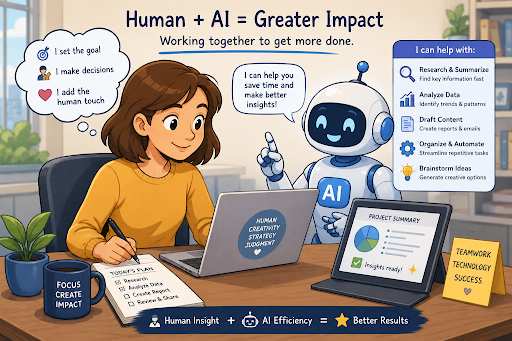
Artificial intelligence is rapidly becoming part of education and the workforce. While AI has tremendous potential to personalize learning and improve efficiency, it also introduces new equity concerns.
Students with access to AI tools and AI literacy education may gain significant advantages in college and career preparation. Students without that exposure risk falling further behind.
To promote equity, schools should focus on helping all students:
- Understand what AI is and how it works
- Recognize AI’s strengths and limitations
- Use AI responsibly and ethically
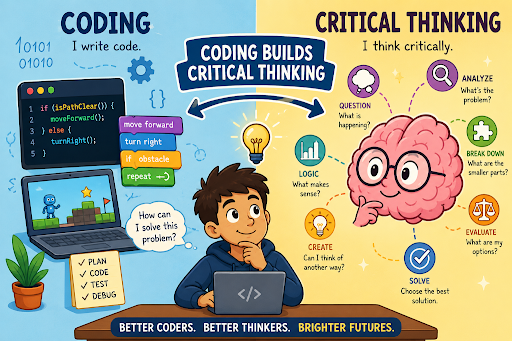
- Develop critical thinking skills alongside AI tools
The goal is not simply to provide access to AI technology but to ensure students understand how to use it thoughtfully and effectively.
Building a More Equitable Future
Addressing the digital divide requires schools to think beyond devices and connectivity. True digital equity means creating environments where every student can access meaningful learning opportunities, develop essential digital skills, and prepare for a technology-driven future.
This work is not accomplished through a single purchase or initiative. It is achieved through intentional investments in curriculum, teacher support, digital literacy, and equitable access to emerging technologies.
When schools expand their definition of access, they move closer to ensuring that every learner has the tools, knowledge, and opportunities needed to thrive in the modern world.
Closing Thoughts
The question is no longer whether students have access to technology. The more important question is whether they have access to the opportunities that technology creates.
By focusing on equity beyond devices, schools can help bridge not only the digital divide, but also the opportunity divide—empowering all students to succeed in an increasingly connected and technology-driven future.