AP Computer Science vs. Intro to Programming: What Schools Should Offer
As schools continue expanding their computer science offerings, one question often arises: Should we offer AP Computer Science, an introductory programming course, or both?
The answer depends on your students, your goals, and your available resources. While AP Computer Science can provide a rigorous pathway for advanced learners, introductory programming courses often reach a much broader group of students and help build a stronger foundation for long-term success.
Rather than viewing these courses as competitors, schools should consider how each serves a unique purpose within a comprehensive computer science program.
Understanding AP Computer Science
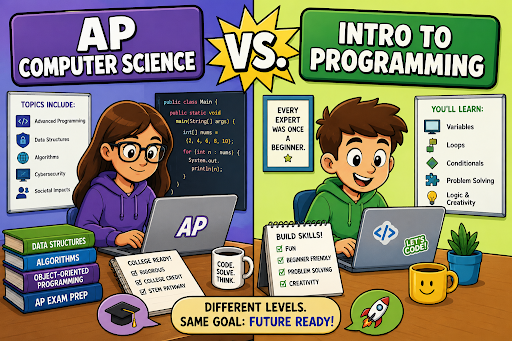
AP Computer Science courses are designed to provide college-level learning experiences for high school students. The most common option, AP Computer Science Principles (AP CSP), introduces students to programming, data, cybersecurity, the internet, and the societal impacts of computing. AP Computer Science A (AP CSA) focuses more heavily on programming using Java and software development concepts.
These courses offer several benefits:
- Potential college credit opportunities
- Increased academic rigor
- Preparation for STEM-related college programs
- Strong resume and transcript enhancement
For students already interested in technology, engineering, or computer science careers, AP courses can be an excellent next step.
The Challenge with Starting at the AP Level
While AP Computer Science courses are valuable, they are not always the best entry point for every student.
Many students enter high school with little to no coding experience. Jumping directly into an AP course can feel overwhelming, particularly for students who have never been exposed to programming concepts, computational thinking, or problem-solving through technology.
Schools often discover that enrollment numbers remain low when AP Computer Science is the only option available. Students may avoid signing up because they perceive the course as too difficult or too specialized.
As a result, schools can unintentionally limit access to computer science education for students who might otherwise develop a strong interest in the field.
Why Introductory Programming Matters
Introductory programming courses create an accessible entry point for all learners.
These courses focus on building confidence while introducing foundational concepts such as:
- Variables and data
- Sequences and algorithms
- Loops and conditionals
- Problem-solving strategies
- Basic programming logic
- Computational thinking
Students gain hands-on experience without the pressure of an AP exam or college-level expectations.
For many learners, an introductory course serves as the spark that leads them to pursue more advanced opportunities later.
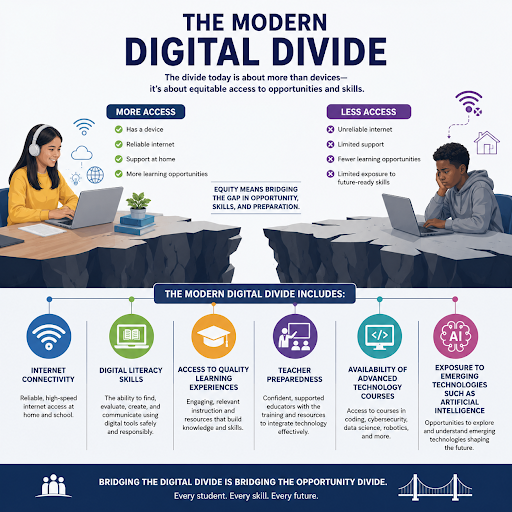
It also allows schools to expose a much larger percentage of students to computer science, helping close participation gaps among underrepresented groups.
Building a Strong Computer Science Pathway
The strongest computer science programs typically include multiple levels of learning opportunities.
A common pathway might look like:
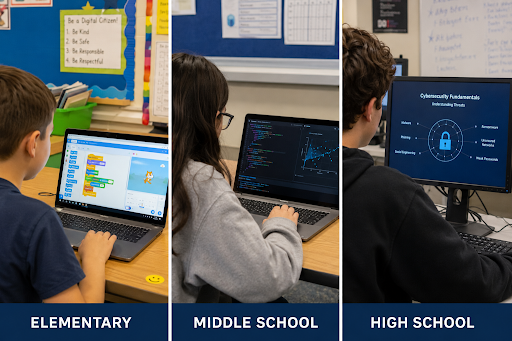
Middle School
- Block-based coding
- Digital literacy
- Computational thinking activities
Early High School
- Introduction to Programming
- Exploring Computer Science
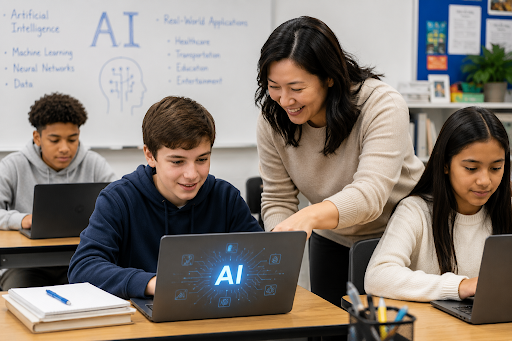
- Foundations of AI or Cybersecurity
Advanced High School
- AP Computer Science Principles
- AP Computer Science A
- Industry certification pathways
- Specialized electives
This progression helps students develop skills gradually while building confidence along the way.
Instead of expecting students to jump directly into advanced coursework, schools create a pipeline that supports learners at every stage.
Which Should Schools Prioritize?
If a school can only offer one course, an introductory programming course often provides the greatest impact.
Introductory courses:
- Reach more students
- Require less prior knowledge
- Build foundational skills
- Increase future AP enrollment
- Support career exploration
However, schools that already have a strong introductory program should strongly consider adding AP Computer Science as the next step in the pathway.
The goal is not choosing one over the other. The goal is creating opportunities that meet students where they are and help them progress toward more advanced learning.
Preparing Students for a Technology-Driven Future
Computer science is no longer a niche subject reserved for future software engineers. The skills developed through programming—including critical thinking, problem solving, creativity, and persistence—are valuable in nearly every career field.
Whether students eventually become developers, healthcare professionals, business leaders, educators, or entrepreneurs, understanding how technology works gives them a significant advantage.
By offering both introductory programming and advanced computer science opportunities, schools can create inclusive pathways that prepare all students for success in a rapidly evolving digital world.
Looking for an Easy Way to Launch Computer Science Courses?
At Rex K-12, we help schools implement engaging computer science programs for students of all experience levels. From introductory coding courses and AI Foundations to AP Computer Science support and cybersecurity pathways, our curriculum is designed to help schools build sustainable computer science programs that grow with their students.
Learn more about our offerings at Rex K-12 or contact our team to explore the right pathway for your learners.